
The Purpose
The CMU primary brand is the foundation for the university and should be the default for most communications.
Use the CMU brand when the primary purpose of the communication is to build awareness, reputation, engagement or action for Colorado Mesa University as a whole.
Examples include: admissions and recruitment; academic department and programs; research and academic activity; alumni relations; student services and resources; university communications; campus and student life
A brand extension is a distinctive expression or adaptation of the CMU brand that does not require a separate brand identity.
Brand extensions allow CMU to create something memorable, relevant or specialized while keeping the university clearly at the center.
Examples include: events; lecture series or seminars; recruitment experiences; student engagement initiatives; community outreach programs; conferences; short-term or special programs; one-off initiatives or campaigns; experiential activations
Visual Identity Characteristics
The CMU Brand Extensions should utilize elements from the CMU Brand Guidelines and may use a distinctive name, typography or graphic treatment, photography, illustration, messaging or other creative elements.
- Event Identity or Logo: An event may have its own visual identity when its audience, longevity or significance warrants one. An event identity remains connected to CMU unless the event has separately been approved as a sub-brand.
- Campaign or Initiative Mark or Design: A campaign or initiative may use a distinctive mark to help establish recognition around a particular idea, message or period of activity. A campaign mark identifies the campaign but does not create a new CMU brand or sub-brand. A graphic element, illustration, icon or visual treatment can provide personality and distinction without functioning as a logo. This is often the simplest way to create a unique expression without creating another identity.
Unit Logo or Unit Identifier
Unit logos or identifiers allow academic departments, programs, administration offices and athletic programs to have their own identifying logo that aligns with the institution’s main mark and reinforces the CMU primary brand. These may be used in place of the main mark depending upon the communication.
Sub-brands are reserved for entities that have a meaningful and sustained role within CMU and require a distinct identity to serve their audience and strategic objectives. All sub-brands will need to be approved by the central Marketing and Communications team.
Current Approved Sub-Brands:
- CMU Foundation
- CMU Athletics
- CMU Stages including Asteria Theatre
- Ember Eatery
CMU communications may involve outside organizations, sponsors, businesses, government, nonprofit or other external partners.
The visual relationship should make it clear who CMU is, who the partner is and what the relationship represents. These guidelines are being developed and will be added to this section once finalized.
Carousel slider with 3 rotating slides.
Pause or play carousel rotation with button controls.
Slider control tabs. Use the left and right arrow keys to change the displayed slide. Press tab to preview slide.
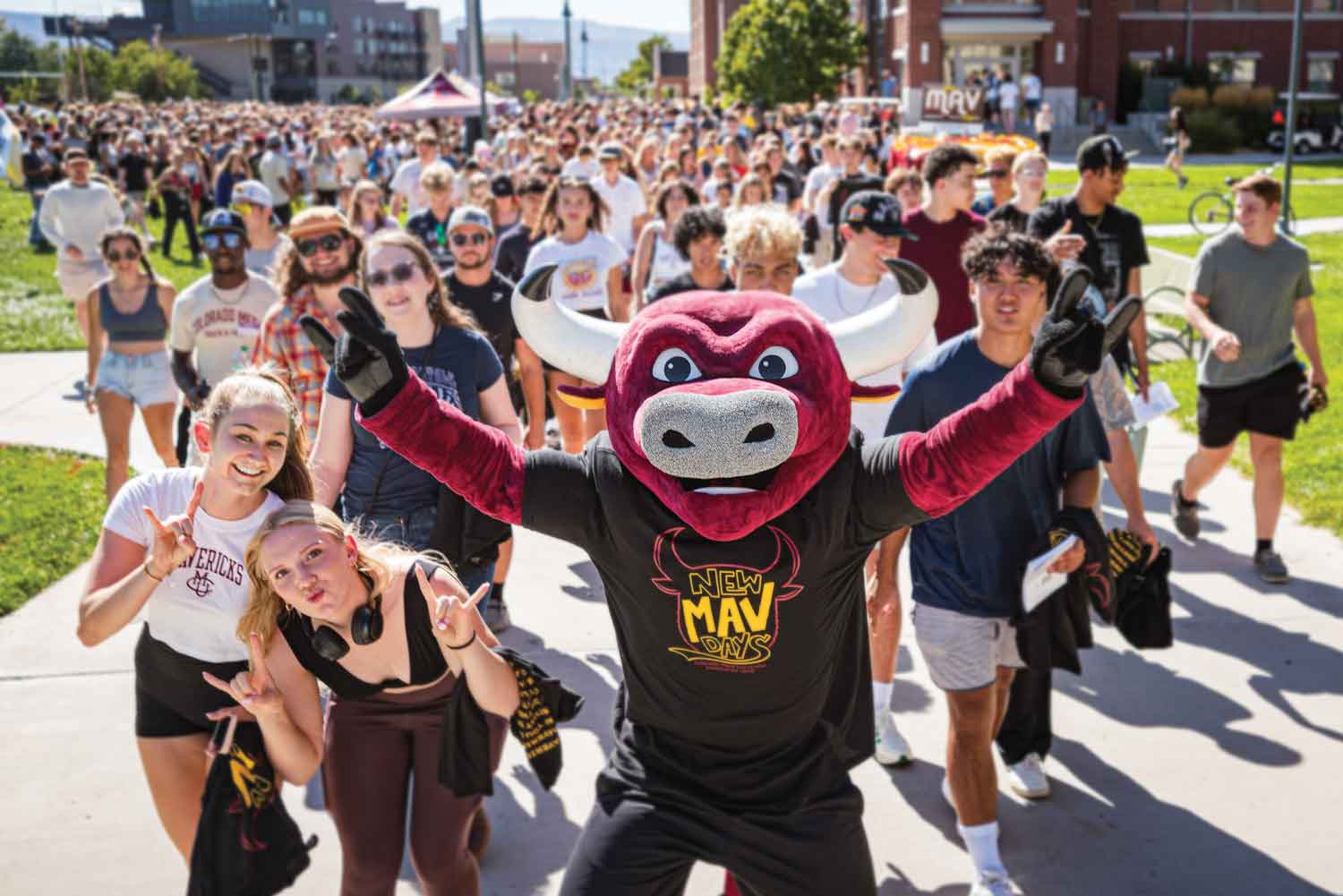
Maverick at Heart

Live Life Like a Maverick
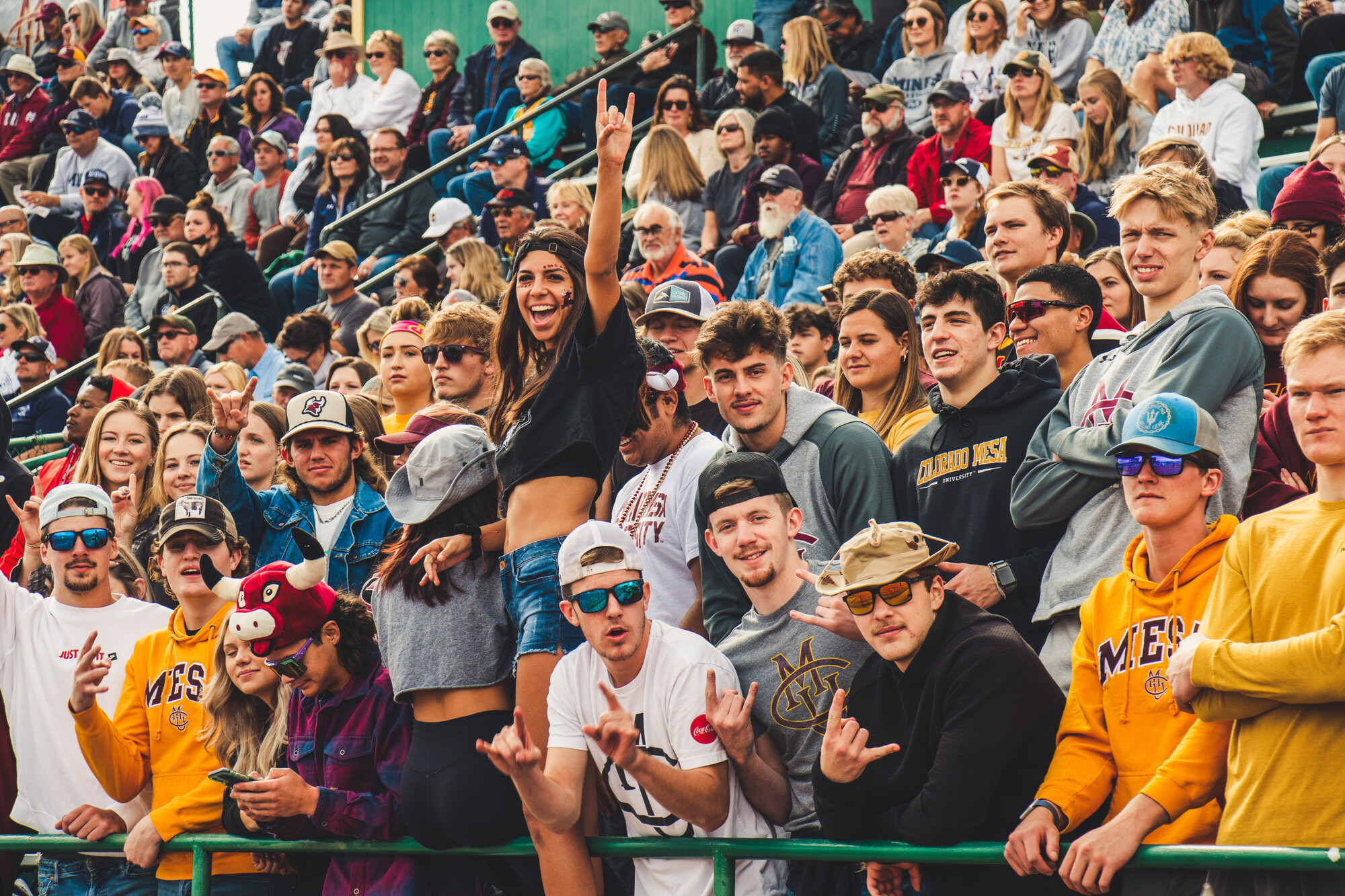
You Belong Here
Exceptions
Exceptions to the CMU brand system should be considered when there is a clear:
Strategic Reason: The existing brand system does not adequately support an important strategic objective.Practical Reason: The existing system creates a genuine functional program for the intended audience, channel or application.
External Reason: The entity operates in an environment where a distinct identity is necessary to establish meaningful recognition or relationships.
An exception should not be based solely on:
- Preference for a different visual style
- Desire for a logo
- Historical practice
- Individual preference
- Perception that the CMU brand is not distinctive enough
- Desire to make one unit appear more important than others
Request and Review Process
Requests for a new logo, identity or exception should provide enough information to determine the appropriate level of identity. Requests should be submitted to the Assistant Vice President for Marketing and Brand Strategy.
Governance
The central Marketing and Communications team serves as the steward of the CMU brand architecture and identity system.
Marketing and Communications
- Maintains the CMU brand architecture
- Interprets these guidelines
- Approves brand applications and identity development
- Determines when a request qualifies as a unit logo, event identity, campaign mark or other design tool
- Evaluates proposed sub-brands
- Maintains consistency across the broader brand system
University Units or Departments
- Identity communication and audience needs
- Provide strategic rationale for requested identities
- Use approved identities according to guidelines
University Leadership
- Provides strategic oversight for strategic new sub-brands or exceptions
- Participates in decisions when an identity has substantial institutional, reputational or financial implications