
AI and the Future of Graphic Design
Artificial intelligence is transforming graphic design, raising questions about the future of the profession and the role of human creativity. At Colorado Mesa University, we recognize these changes and believe AI literacy, creative thinking, and human insight are essential to preparing the next generation of designers.
As the industry evolves, so does the role of the graphic designer. While AI is automating aspects of visual production, opportunities in creative direction, branding, digital experiences, and strategic design are emerging. Technical skills and craftsmanship remain important, but they are no longer enough on their own.
Our Graphic Design program is evolving alongside the industry. We continually evaluate and adapt our curriculum to reflect emerging technologies, changing professional expectations, and new approaches to creative work. By balancing foundational design principles with contemporary practices, we prepare students to navigate change, embrace new opportunities, and remain relevant in an evolving profession.
At the heart of our program is the human. We emphasize critical thinking, collaboration, communication, sound judgment, and the value of storytelling. Successful designers must understand people, respond to problems, develop meaningful ideas, and make informed decisions based on human experience and judgment.
Our commitment is to continually evolve, preparing designers who can adapt to change, lead with creativity and purpose, and shape the future of graphic design.
Graphic Design at Colorado Mesa University
Colorado Mesa University offers three credentials in graphic design: a Bachelor of Fine Arts (BFA) in Graphic Design, an Associate of Arts (AA) in Graphic Design, and a Technical Certificate in Graphic Design. The programs are designed to stack, so students can start with focused skills and continue toward a full professional degree without repeating coursework.
The BFA in Graphic Design is a professional degree that combines intensive design study with a strong foundation in visual art and general education. It prepares students to work as thoughtful, adaptable designers who can lead creative work across print, digital, and interactive media.
Students build a solid foundation in design principles, typography, composition, and visual storytelling, then apply it to branding and identity, illustration, and digital experiences, including web and user experience (UX/UI) design. Throughout the program, the focus is on the thinking behind the work: researching problems, understanding audiences, developing original concepts, and making and explaining strategic design decisions. Students do real-world projects, regular critiques, and collaborative work that build the communication and judgment clients and creative teams depend on.
BFA graduates leave with a professional portfolio and are prepared for careers in creative direction, branding and identity design, strategic and digital design, UX/UI design, advertising, packaging, publication design, illustration, motion and social media design, and in-house, agency, or freelance practice.
The AA in Graphic Design builds a strong foundation in composition, typography, drawing, screen printing, graphic design history, and contemporary production technology. It prepares graduates for entry-level work in the field, and it rolls directly into the BFA for students who want to continue toward the professional degree.
The Technical Certificate in Graphic Design (18 credit hours) is a short-term credential in visual communication, typography, color theory, illustration, and user experience design. It prepares students for entry-level positions, and every course counts toward the AA or BFA.
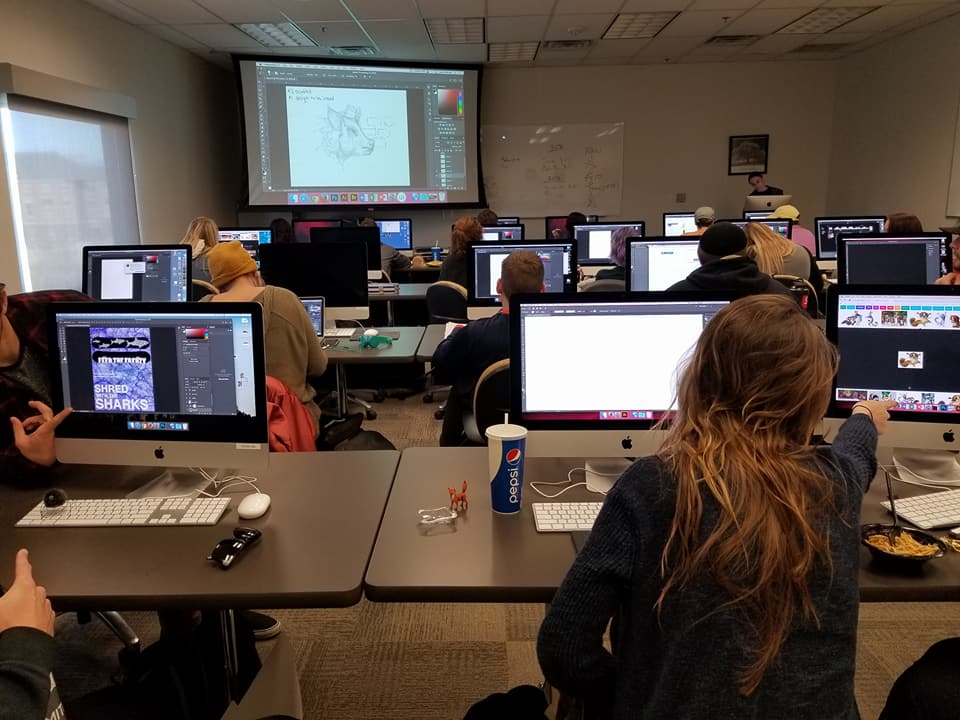
Across all three programs, students learn current professional tools and practices and learn to evaluate new technologies with a critical eye. The Graphic Design lab has Mac computers and current industry software, including the Adobe Creative Cloud suite, Figma, and Glyphs. Students in the program are required to maintain their own Adobe Creative Cloud subscription, as well as any other software subscriptions required by specific courses or the program.
All Graphic Design courses have prerequisites. Incoming students should pay close attention to course sequencing and meet regularly with their advisor to finish their degree or certificate on schedule.
GRAPHIC DESIGN BFA PROGRAM SHEET
Professor of Art,
Suzie Garner

Suzie Garner's Biography
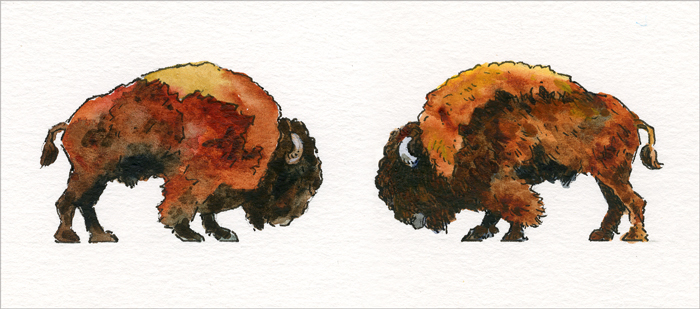
Examples of Suzie Garner's artwork: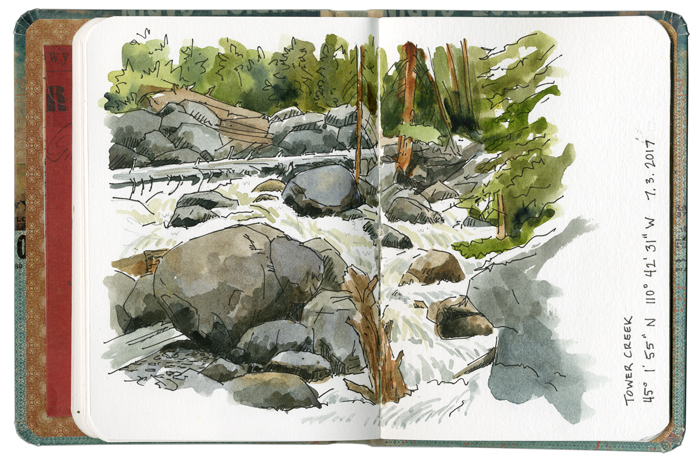
Associate Professor of Graphic Design, Eli Hall

Photography by Graphic Design student Cassie Fortman
Eli Hall's Biography
Instructor of Digital Painting, Brooke Safken
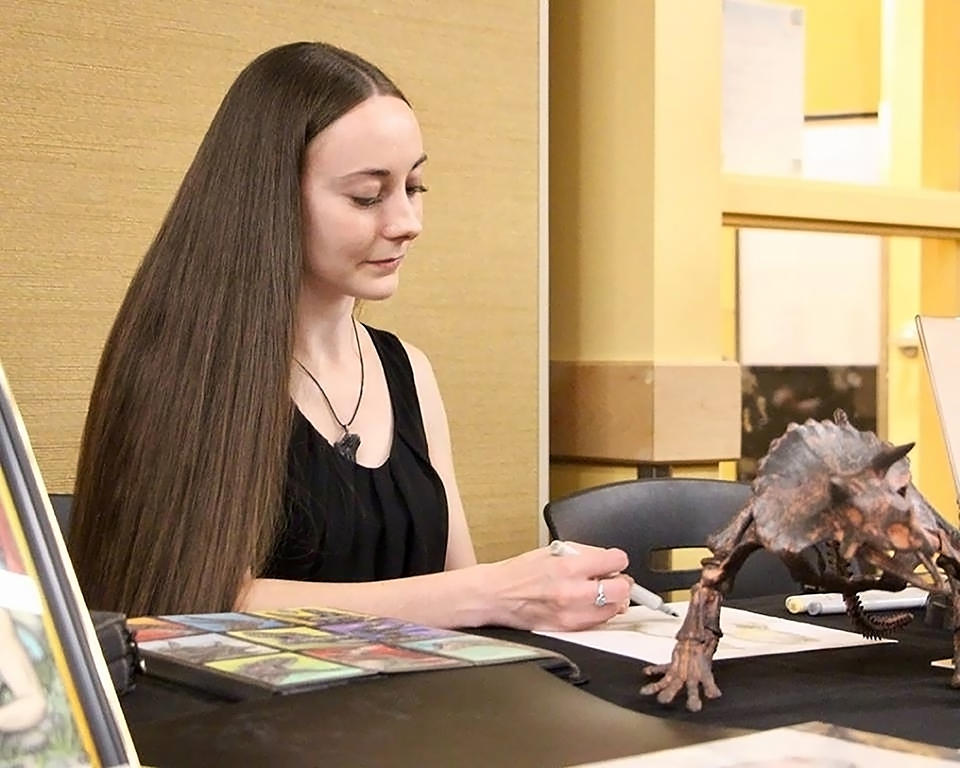
Examples of Brooke Safken's artwork:
ARTG 112 Graphic I
Introduction to the basic use and operation of graphic design hardware and software, specifically on Macintosh systems. Students will identify essential terminology. peripheral devices, and system management, while developing and organizing operational files, managing project information
ARTG 120 UX Design I
Introduction to techniques and best practices in User Experience for screens using contemporary software.
ARTG 210 Introduction to Letterpress
Theoretical and practical letterpress course offering materials introduction and technique development for technical use.
ARTG 221 Graphic Design II
Principles of design layout techniques, including thumbnail, rough, comprehensive payouts, and mock -ups.
ARTG 222 Illustration Principles
Approaches to traditional and contemporary illustration techniques, with a focus on developing practical skills using a variety of materials and methods. Focus on work planning and preparation of artwork using both computer-generated and hand-generated images.
ARTG 226 Motion Graphics
Exploration of motion graphics as time-based graphic design. Covers the history and application of motion graphics in animation, film, typography, and interactive environments. Focus on current trends in design, media, and emerging technologies.
ARTG 234 Street Art and Mural Design
Intermediate public art class blending traditional and contemporary techniques, focusing on hands-on creation from concept to execution.
ARTG 290 UX Design II
Development of websites, with focus on the end user applying texted UX design.
ARTG 292 Letterforms and Typography
Study of letterforms and typography, including terminology, type classification and identification, type design, and the use of type in design compositions.Emphasis on copyfitting, layout, and the fundamental principles of pattern and spacial design.
ARTG 305 UX Design III
Investigation, analysis, and application of User Experience, and emerging web application design techniques.
ARTG 321 Advanced Typography
Exploration of traditional and contemporary forms of typography and compositions through letterpress and hand-rendering approaches. catalog layout, and large-format type. emphasis on developing advanced typographic compositions that blend historical and modern techniques for both small- and large-scale projects.
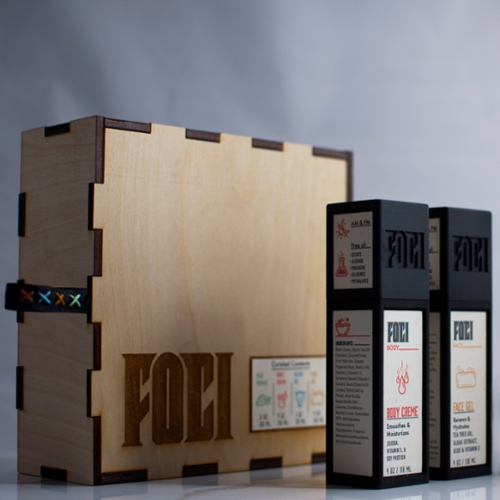
ARTG 334 Package Design
Comprehensive exploration of packaging in product branding and marketing, covering the entire process, from conceptualization to production.
ARTG 350 Identity Design
Exploration of visual communication for public and private business and organizational identity. Emphasis on the design process and strategies for creating image-based identity systems, including the development of consistent branding standards.
ARTG 360 Sketchbook
Sketchbooks as a primary tool for fostering creativity and documenting the artist’s thought processes. This course includes exploratory exercises and field assignments to develop skills in maintaining an personal sketchbook as a space for recording ideas and capturing the artist’s visual experiences.
ARTG 373 Screen Printing for Graphic Design
Introduction to concepts and techniques of screen printing within graphic design and illustration. Become familiar with industry tools, equipment and processes.
ARTG 421 Contemporary Letterpress
Approaches to traditional and contemporary letterpress. Materials will be introduced and technique developed for practical use.
ARTG 427 Lab Assistant
Practice with technologies used within the Graphic Design labs. Maintain and use equipment.
ARTG 438 Brand Design
Exploration of the branding process common to the promotion of products and services, including conducting research, clarifying strategy, creating touchpoints, and advertisements. Emphasis will be placed on design processes, production of advertisements, and the management of assets.
ARTG 493 Portfolio Development
Development of professional portfolio materials for securing employment in the design industry. Emphasis on current industry practices, including portfolio presentation formats, resume building, contract negotiations, and salary discussions. The course prepares students to showcase their work effectively and navigate the job market with confidence.
- Two Mac Labs are equipped with Macintosh computers with the latest software.
- The illustration classroom is equipped with a spray booth and screen printing equipment.
- Letter-press equipment such as two letter-presses, a Lutz Proof Press, and a Titan 200 BC Paper Cutter, and others are available for student use.
- A CNC Router and 3D Printer are available.
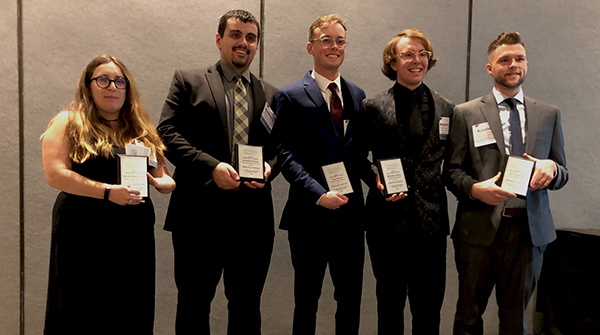
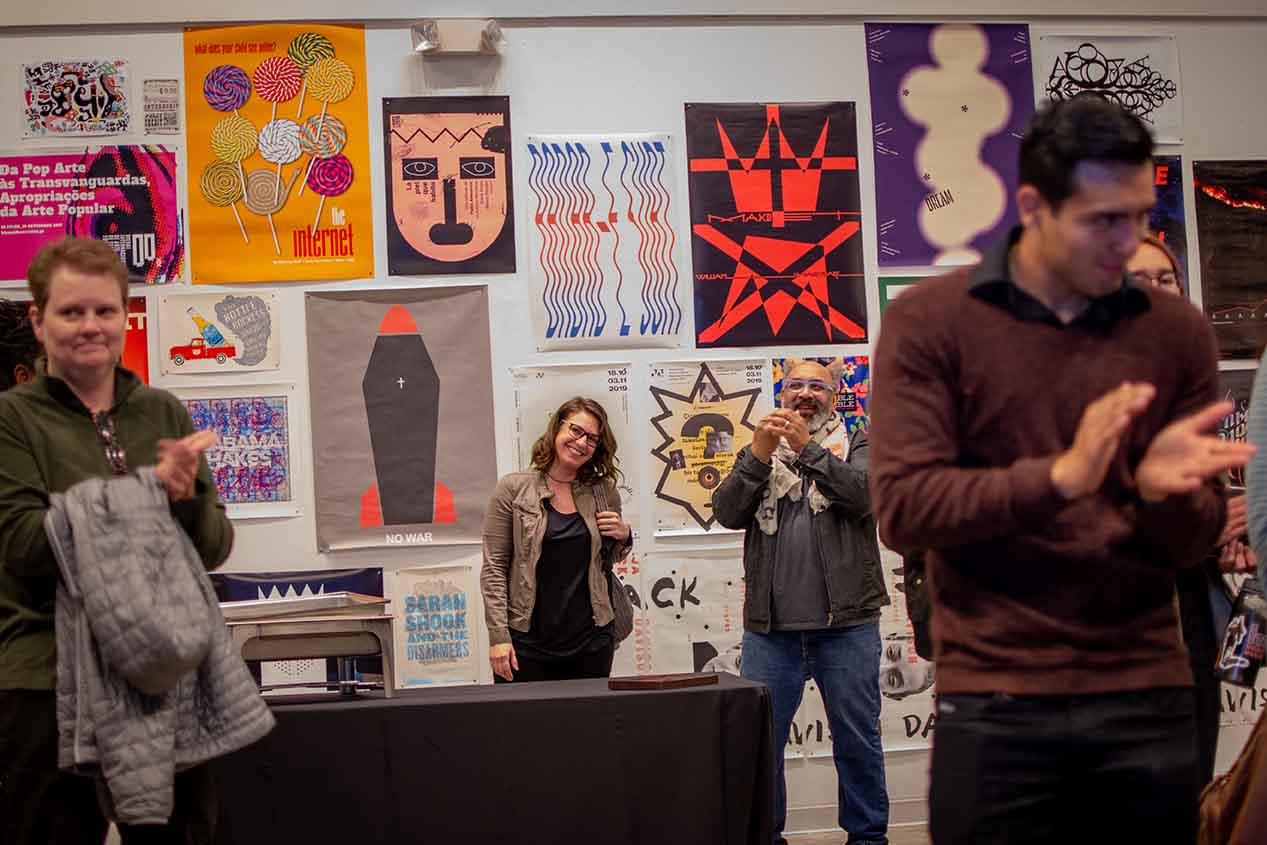



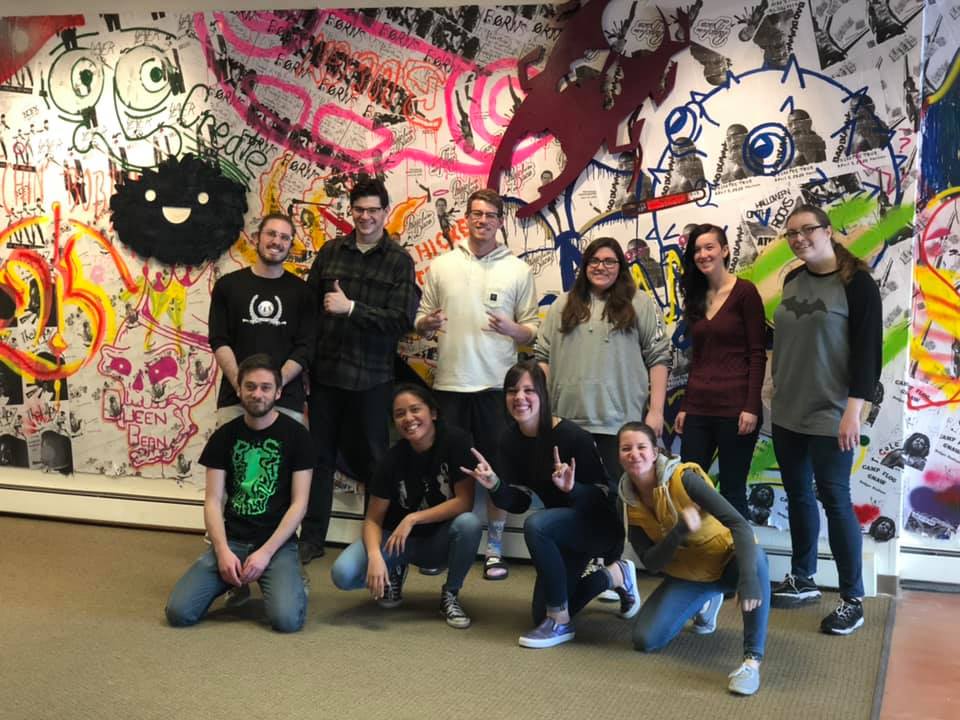
DAM is a student run, AIGA recognized community of designers in the Graphic Design program at Colorado Mesa University. There are elected officers that organize events, help guide and inspire other students, and bring together a tight-knit design community in the school. Follow us on Instagram to see our whereabouts, our events, and just cool design!
Interested in being a part of DAM? Contact Professor Eli Hall for more information.
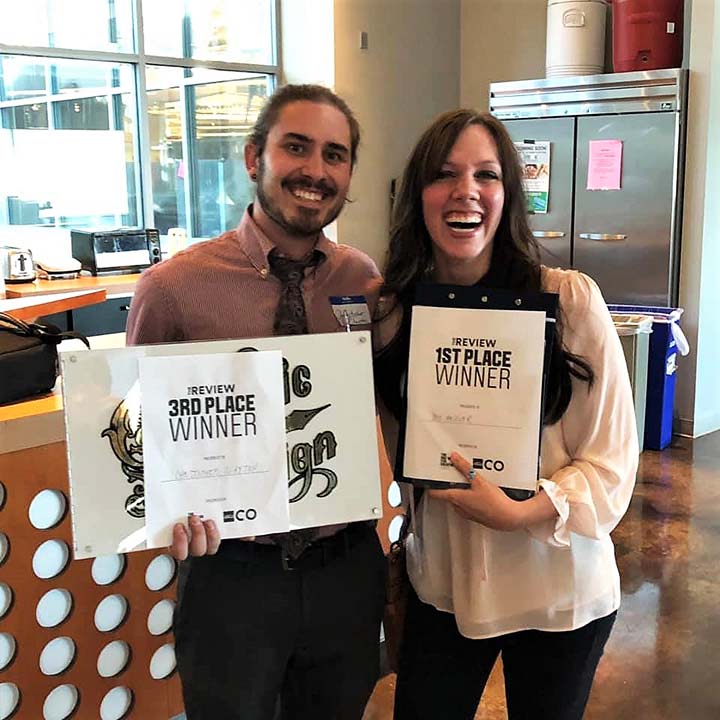
One Club Denver Chapter Portfolio Review

on site at River Bend Park
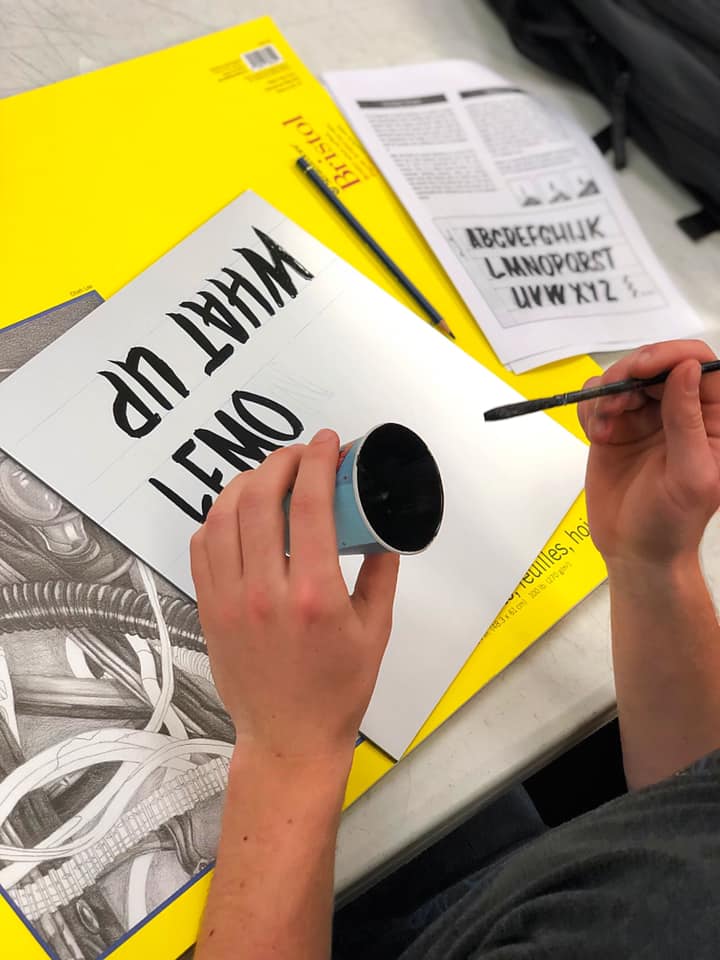
Videos For Graphic Design
CMU Student Graphic Design Team hired to do the logos for the new Hotel Maverick!