We will be offering open advising sessions by Zoom on the following dates:
- Oct 27 (General track) 5:30-6:00 pm: https://coloradomesa.zoom.us/j/85462043121?pwd=vEdkFjx8pR6yRb7aBDBXGozJQ6yYVp.1
- Nov 3 (Cardiac track) 5:00-5:45 pm: https://coloradomesa.zoom.us/j/83529255945? Pwd=LnV9tDXNqN8fASvGgDXGZh6a5qG0Ma.1
- Dec 1 (Cardiac track) 5:00-5:45 pm: https://coloradomesa.zoom.us/j/81837283703?pwd=HC1bbQfWrIjM2UatstbRI4wb7rJomy.1
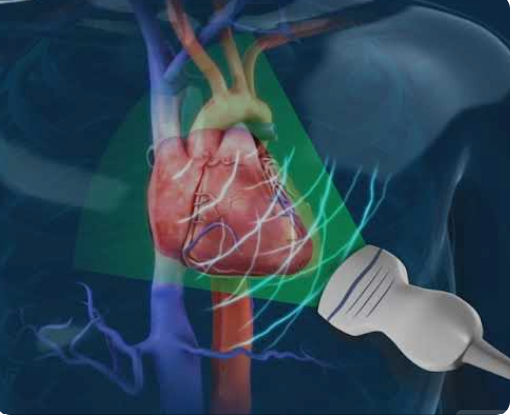
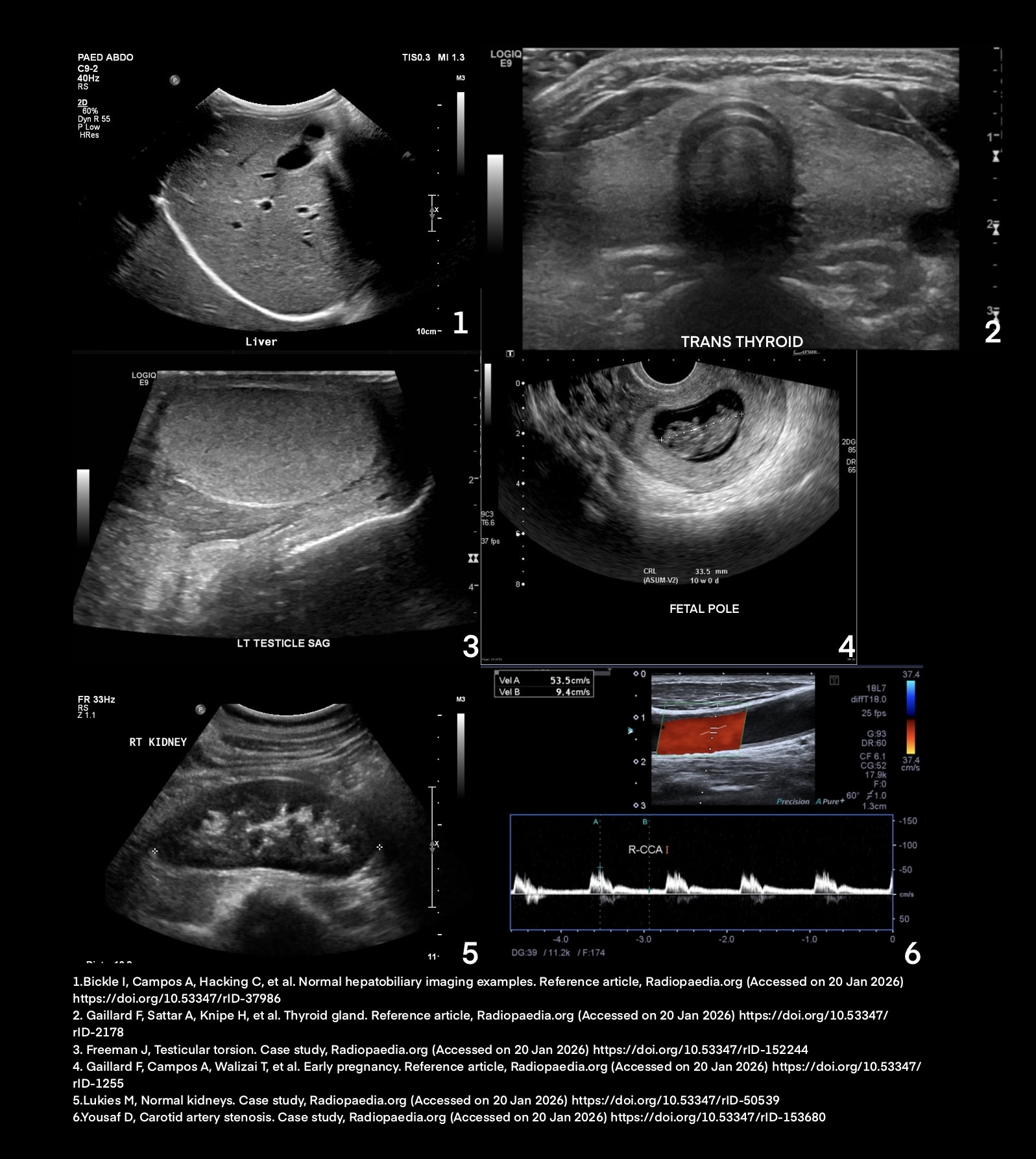
Diagnostic Medical Sonography, also known as ultrasound, is a non-invasive medical imaging technique that utilizes high-frequency sound waves to produce images of organs, tissues, or blood flow inside the body. These images are used to help diagnose and monitor various medical conditions; sonography is often the first imaging procedure performed when disease is suspected. Diagnostic medical sonographers are highly skilled professionals who work in hospitals, primary care clinics, and outpatient care centers.
The DMS program offers two 14-month tracks: CARDIAC and GENERAL. These tracks were determined by clinical partners working in the community to address local workforce shortages. Our regional clinical affiliates will assist in the training of our students, and they are eager to hire graduates from this program.
The curriculum consists of 45 credits (11 didactic, 34 clinical) over 14 months of study (early June through the following early August, year-round). Students attend clinicals 3-4 days per week throughout the program. There is a half-day of classroom lectures weekly.
This certificate program is intended for working healthcare professionals. Potential students must have an existing degree (Associates degree in an allied health field or a Bachelor's degree) and healthcare work experience (1000 paid hours). See the "Program Application" section below for additional details and eligibility requirements.
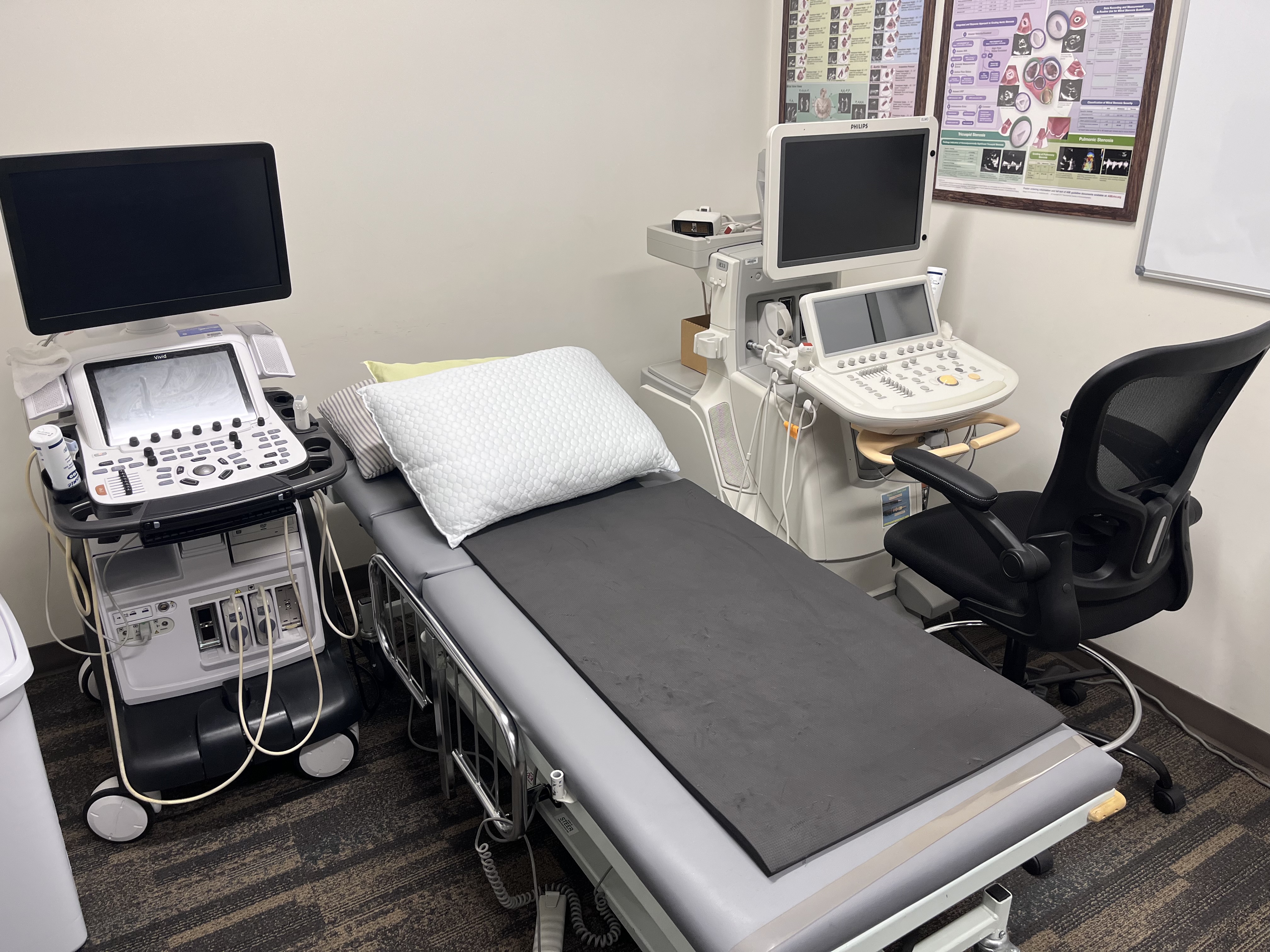

The Professional Certificate in Diagnostic Medical Sonography is designed to prepare certified healthcare professionals for an advanced diagnostic imaging specialization.
Academic Requirements for Diagnostic Medical Sonography in Professional CertificateDiagnostic medical sonographers work directly and independently with patients:
- to utilize a non-invasive imaging modality to assist in the diagnosis and treatment of medical issues involving the female and male abdominal, urologic, gynecologic, obstetric, soft tissue, and cardiovascular systems
- to perform an investigative work-up that provides vital information, quantitative measurements, and differentiating findings in real-time to help determine a diagnosis, its severity, and develop treatment options for the patient
- in multiple settings, such as outpatient clinics, hospitals, emergency situations, and surgical environments
- while being mobile with a machine, adaptable to prioritizing orders, and able to handle fast-paced, high-volume caseloads
- while maintaining traits of confidence, professionalism, empathy, commitment, and accountability - both to the patients served and the radiologists and cardiologists who rely on high-quality, complete exams
2025 Median Annual Salary
U.S. Bureau of Labor Statistics
Job Outlook, 2025-2035
U.S. Bureau of Labor Statistics

The program will seek accreditation through the Commission on Accreditation of Allied Health Education Programs (CAAHEP). Upon completion of the program, graduates will be eligible to sit for the American Registry for Diagnostic Medical Sonography (ARDMS) certification exam.
Commission on Accreditation of Allied Health Education Programs (CAAHEP)
9355 - 113th St. N, #7709, Seminole, FL 33775
Phone: 727.210.2350 | Email: [email protected] | Website: caahep.org
 Application Deadline: March 15 (5 pm MDT)
Application Instructions:
- Complete the CMU Undergraduate Application if you are not a current student: https://www.coloradomesa.edu/admissions/apply.html
- Please allow 2 weeks for this step, including requesting transcripts from other institutions
- After being admitted, you will receive an email with instructions on how to setup your MAVzone account
- You will be provided with a CMU email address and Student ID, commonly called your "700" number, which you will need to submit your secondary application in the next step
- Complete the DMS Program Secondary Application: https://go.coloradomesa.edu/portal/ampsa
- Use the "Applicant Login" that you created for your CMU application or use your MAVzone Login if you are a current CMU student
- Choose "Certificate" as your Degree Level
- Select "Diagnostic Medical Sonography" as your Major and select the appropriate Entry Term:

- Choose the DMS Secondary Application for your Entry Term:

- Open the "Secondary Application" and complete it:

- *Please notify Dave ([email protected]) once you have submitted your secondary DMS application so he can pull it from the CMU system*
- Qualified applicants will be contacted about interviews after the March 15 deadline
Applicants must read, understand, and sign the Physical Demands and Motor Function Standards for the Diagnostic Medical Sonography Program. Acknowledgment of reading and understanding the document must be indicated both during the application process and prior to enrollment.
Applicants are encouraged to contact ARDMS directly (ardms.org or 800-541-9754 option 1) to confirm that their existing degrees will allow them to take the certification exams at the end of the DMS program
The following criteria (both education and clinical hours) are required to be considered for the Diagnostic Medical Sonography program:
Education (option 1 or 2)
- Associates degree from a two-year allied health education program that is patient care related. The program must be either 24 full-time consecutive calendar months or 60 semester credits or 84 quarter credits and requiring a clinical internship/externship to complete the program. Allied health occupations include, but are not limited to, the following:
- Radiologic Technology
- Respiratory Therapy
- Physical Therapist Assistant
- Occupational Therapist Assistant
- Registered Nurse
- Bachelor’s degree
Minimum GPA = 3.0
Clinical pre-requisites
A minimum of 1000 PAID HOURS of hands-on direct patient care experience in a clinical setting. This experience may be acquired through hands-on patient care roles, including those obtained via additional certifications or licensure.
- Personal interaction: Involves direct contact (in-person or real-time virtual) with the patient.
- Clinical purpose: Activities are intended to assess, diagnose, treat, or manage a patient’s health.
- Professional responsibility: Delivered by trained healthcare personnel (e.g., physicians, nurses, sonographers, radiographers, therapists, EMTs, phlebotomists, nursing assistants).
- Patient-specific: Care is tailored to an individual patient, not generalized or administrative.
-
Performing a diagnostic ultrasound
-
Performing other imaging exams (X-Ray, MRI, CT, Nuc Med, etc.)
-
Performing phlebotomy
- Conducting a physical exam
- Administering medications or treatments
- Counseling or educating a patient about their condition
-
Monitoring vital signs and clinical status
- Administrative tasks (scheduling, billing)
-
General education not tied to a specific patient
- Research without patient interaction
- Equipment maintenance without patient involvement
Required coursework
A foundation in sciences and interpersonal communication is necessary for the clinical role of a diagnostic medical sonographer. The following courses must be completed at the postsecondary or college level:
- Communication (English composition/speech/writing)
- Human anatomy and physiology
- Mathematics (CMU equivalent: MATH 113 or above recommended but MATH 110 also accepted)
- Physics (CMU equivalent: PHYS 100 or above)
Recommended coursework
- Medical terminology
Frequently Asked Questions (FAQ's)
- What academic degrees will make me eligible for the DMS program?
- The program follows the guidelines from the American Registry for Diagnostic Medical Sonography (ARDMS). See our “Program Application” section above or contact the ARDMS directly at ardms.org or 800-541-9754 option 1 for more information.
- Is there a minimum grade point average for admission?
- Applicants must have a GPA above 3.0 to be considered for enrollment.
- What will I gain from completing the 14-month DMS program?
-
Cardiac track: The ability to sit for the ARDMS SPI (Sonography Principals and Instrumentation) and AE (Adult Echocardiography) exams.
-
General track: The ability to sit for the ARDMS SPI (Sonography Principals and Instrumentation) and AB (Abdomen) exams. Students will also have clinical experience and didactic essentials in Obstetrics and Gynecology, which will provide a solid foundation for pursuing the OB/GYN board exam after passing the first two exams.
-
- What is a certification?
- In the medical field, a certification is a professional credential awarded by a governing body after a candidate demonstrates mastery of a specific skill, knowledge, or specialty through rigorous training and passing a comprehensive exam. It validates a healthcare professional's competence, shows commitment to a field, and signals to employers and patients that they meet high standards of quality and safety.
- How does a certification differ from a license?
- A state-issued license is a minimum legal requirement to practice a profession; it grants the legal authority to do so. A certification is a voluntary process that validates specialized knowledge and skills beyond the basic requirements for licensure.
- Can I work full time while I am in the DMS program?
- No. However, the program is formatted to provide one weekday (day varies by semester) and weekends off should you want to consider part-time or PRN employment. Classes and clinical rotations are required both day and evening hours for the entire 14 months of the program.
- Are there any required classes for the program?
- College-level coursework in physics (CMU equivalent: PHYS 100 or above), mathematics (CMU equivalent: MATH 113 or above recommended but MATH 110 also accepted), human anatomy and physiology, and communication is required to apply. Medical terminology is a recommended class.
- Do I have to reside locally?
- Yes, classes on CMU campus are required and clinical sites are all located within a 65-mile radius of the university.
- Do I have to choose a track (cardiac or general) before I apply?
- You may apply to one track or both tracks (and rank your preference). Each track will have its own application process and admitted cohort.
- How much will the program cost?
- Please refer to CMU's estimated tuition and fees based on your residency status (use the undergraduate tables): https://www.coloradomesa.edu/student-accounts/expenses.html
- Is sonographry physically demanding?
- Sonography places significant physical demands on the body, primarily through the static postures required to acquire diagnostic images. These demands are a fundamental part of the profession rather than incidental job tasks. Over time, they may contribute to work-related musculoskeletal disorders, which are common among sonographers.
- Review these standards before applying:
- Sustained fine motor control and pressure: Holding and manipulating a transducer with precise movements while applying steady pressure throughout an examination.
- Sustained working postures: Maintaining balanced seated or standing positions for extended periods and configuring equipment to minimize reaching and strain.
- Moving equipment and patients: Transporting portable ultrasound systems, repositioning equipment, and assisting with patient positioning and transfers.
- Adapting to the clinical environment: Performing sonographic procedures in laboratories, patient rooms, emergency departments, and operating rooms while adapting body mechanics to each setting.
- Self-monitoring: Recognizing early signs and symptoms of musculoskeletal injury and reporting concerns promptly.
Physical Demands and Motor Function Standards for the Diagnostic Medical Sonography Program
Kim Roschel, Diagnostic Medical Sonography Program Coordinator (cardiac track): [email protected]
Katrina Adleman, Diagnostic Medical Sonography Program Coordinator (general track): [email protected]
Dave Weinzimmer, Professional Staff Assistant: [email protected]