CLINICAL EDUCATION PLACEMENTS
1st year MSAT Students:
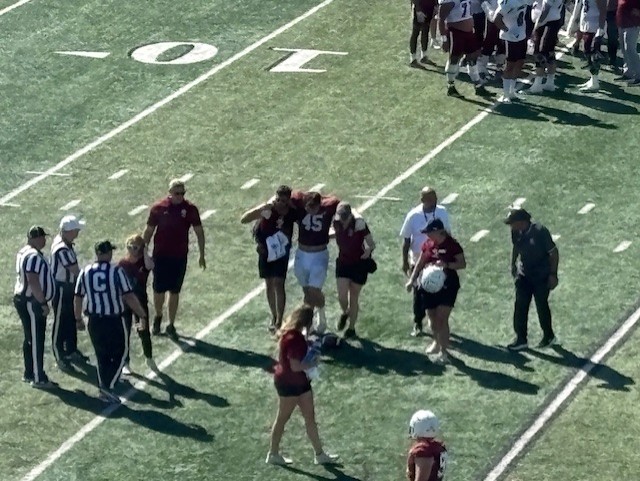
The Coordinator of Clinical Education (CCE) will assign each student to their clinical rotation preceptor based on the students’ needs and accreditation guidelines. The goal is to have each student gain a breadth of experiences in a varied patient population. These clinical experiences will take place in the Grand Junction, CO vicinity and will include experiences on-campus at Colorado Mesa University, local high schools, and supplemental clinical experiences (e.g., Hospital ER, orthopedic surgery observations, orthopedic surgery office observations, etc.).
2nd year MSAT Students:
Beginning at the end of the first clinical education course (ATRN 531), the CCE will begin working with each individual MSAT student to determine an ideal 2nd year immersive clinical experience. The 2nd year clinical experiences’ goals are to provide more depth of knowledge and critical thinking in an athletic training work setting that may be more aligned to the student’s career goals. These 2nd year immersive experiences typically require an interview with the prospective site’s preceptors. Students are not limited to our current list of clinical education sites as we are constantly looking for new clinical sites that align with our MSAT program goals and will provide a quality clinical education experience for our students. Students do not choose where their 2nd year site will be, but the CCE works collaboratively with the student to find a preceptor and site that meets the MSAT Program’s accreditation requirements, program goals, and student’s goals. See our Clinical Education Sites list below.
Local Sites:
- Colorado Mesa University
- Fruita Monument High School
- Grand Junction High School
- Central High School
- Palisade High School
- Family Health West- Orthopedics and Sports Medicine & Operating Room
- Community Hospital- Western Orthopedics Sports Medicine & Emergency Department
- Intermountain Health- Rocky Mountain Orthopedics
Colleges/Universities:
- Arizona State University- Tempe, AZ
- Boston College- Chestnut Hill, MA (new in 2025)
- Colorado College- Colorado Springs, CO
- Colorado State University- Fort Collins, CO
- Florida Southern College - Lakeland, FL (new in 2025)
- Georgetown University- Washington, D.C. (new in 2026)
- Lindenwood University- St. Charles, MO
- Southern Oregon University- Ashland, OR
- Stanford University- Stanford, CA (new in 2026)
- United States Air Force Academy- Colorado Springs, CO
- University of Arizona - Tuscon, AZ (new in 2025)
- University of Denver- Denver, CO
- University of Hawai'i at Manoa- Honolulu, HI
- University of Idaho- Moscow, ID
- University of Nebraska - Lincoln, NE (new in 2025)
- University of Nevada Las Vegas- Las Vegas, NV
- University of North Carolina- Chapel Hill- Chapel Hill, NC (new in 2026)
- University of Wyoming Athletics- Laramie, WY
- University of Wyoming Campus Recreation- Laramie, WY
- Utah State University - Logan, UT (new in 2025)
- Utah State University Eastern- Price, UT
- Utah Tech University- St. George, UT
High Schools:
- Canal Winchester HS- Canal Winchester, OH (new in 2026)
- Cheyenne Mountain HS- Colorado Springs, CO
- Damien High School- La Verne, CA
- Montrose High School- Montrose, CO
- Rangeview High School- Aurora, CO
Professional Organizations:
- Arizona Diamondbacks Affiliation- Scottsdale, AZ
- Seattle Reign WNSL- Seattle, WA (new in 2026)
Clinical Hours Policy
The MSAT student’s clinical education experience schedule will depend on their preceptor and the clinical assignment. Students should expect to spend on average 18-22 hours per week on their clinical assignment during their first year in the program. During their second year, the students should expect to spend on average 30 to 40 clinical hours a week. Further, athletic training students should receive at least one day off in every seven days during his/her clinical assignment.
Scheduling of clinical experience hours will vary due to clinical site patient care hours, activities, and events. In general, students will work with their assigned preceptor to develop their own schedule based on the demands of the rotation and focus on time that will be most educational for the student. MSAT students should never miss class due to a clinical experience unless approved by the CCE. It is the MSAT student's responsibility to communicate with his/her preceptor about scheduling and any potential conflicts. The MSAT is a professional program, and as such, the expectation is that students make class and clinical education experiences priorities in their time within the program.
CRIMINAL BACKGROUND CHECKS & DRUG SCREENS
Numerous clinical sites require students to have criminal background checks and drug screens prior to clinical education placement. As such, the MSAT program requires criminal background checks and drug screens prior to matriculation. Only one is needed for the program, but various clinical sites (e.g., school districts) may require updated screens. Clinical education experiences at a variety of clinical sites is a required component of the MSAT program, and since clinical sites require criminal background checks and drug screening, the inability of a student to satisfactorily pass a criminal background check and/or drug screen may limit the ability of the student to complete the MSAT programIMMUNIZATION REQUIREMENTS
All MSAT students must verify that they do not have conditions that endanger the health and well-being of other students and patients. Colorado state regulations require that all university students have two (2) valid doses of Measles, Mumps, and Rubella vaccine, unless the student was born before July 1, 1957, or the student can provide acceptable laboratory evidence (blood test) showing immunity to Measles, Mumps, and Rubella. 6 CCR § 1009-2:IX. If the student completes an exemption form and an outbreak occurs, the student will be subject to exclusion from the school.
Students must show documentation of receiving these immunizations or a titer showing immunity. Due to the requirements of our program clinical partners, students may also be required to receive the annual flu shot in the fall. Students who have medical contraindications or qualify for an exemption to receiving these vaccinations must provide documentation from a medical provider. Any athletic training student that chooses not to meet the immunization and health screening requirements or does not complete an exemption, may be unable to complete their required clinical experiences and risk delay in graduation.
Screening requirements are subject to change as mandated by clinical sites or changes in the laws regulating occupational exposure.
The MSAT program requires the following immunizations and screenings:
- 2-step TB Test
- Note- this is a 2-step test! Meaning you must do the test two times about 1 month apart.
- Measles, Mumps, Rubella (MMR)
- Tetanus-Diphtheria-Pertussis (Tdap)
- Varicella (Chickenpox) immunity (either (+) chickenpox proof or Varicella immunization)
- Influenza (will be required annually around Oct.1 of each year)
- Hepatitis B (optional but recommended)
Carousel slider with 6 rotating slides.
Pause or play carousel rotation with button controls.
Slider control tabs. Use the left and right arrow keys to change the displayed slide. Press tab to preview slide.
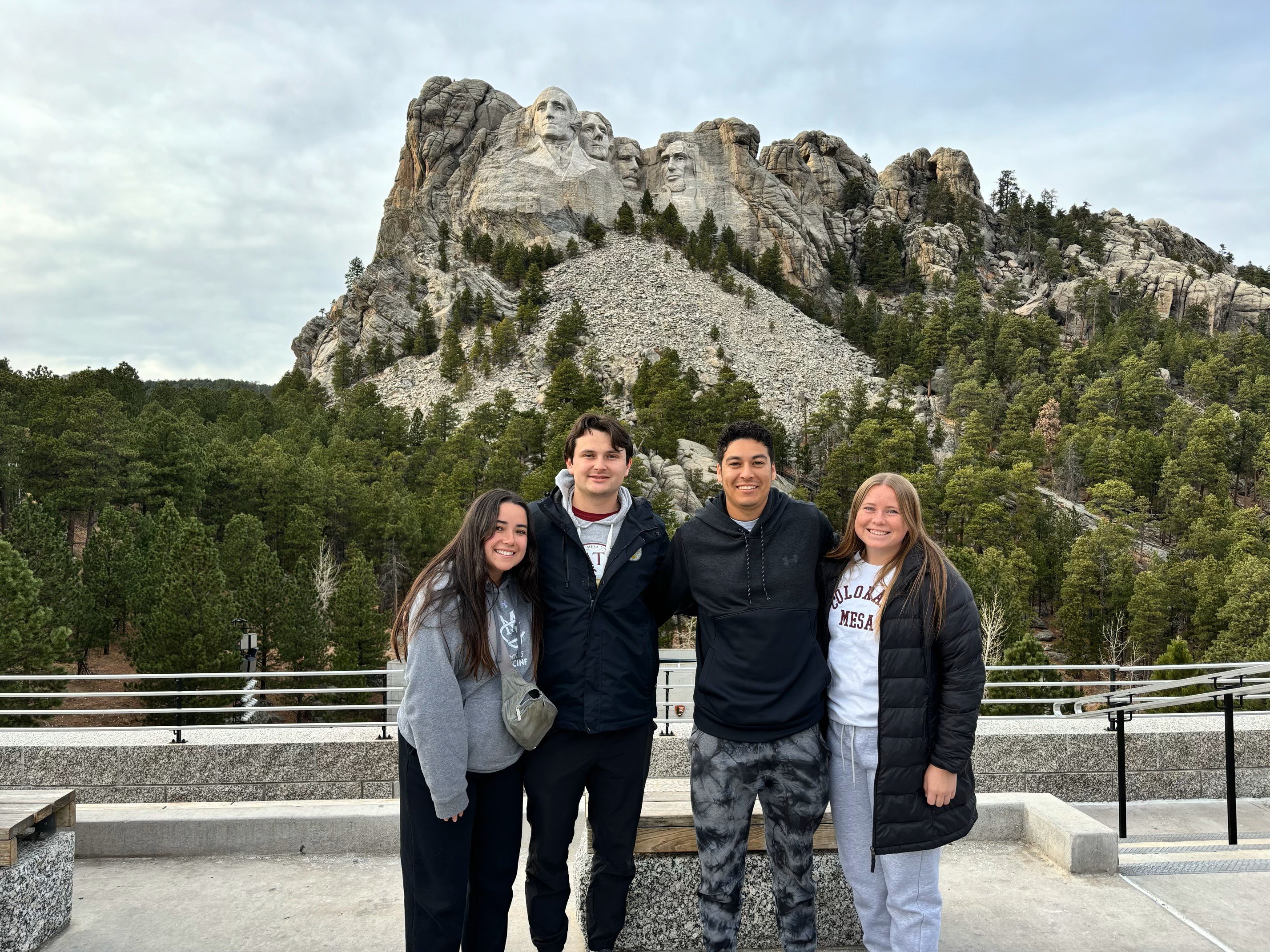
Football road trip and visit to Mt. Rushmore
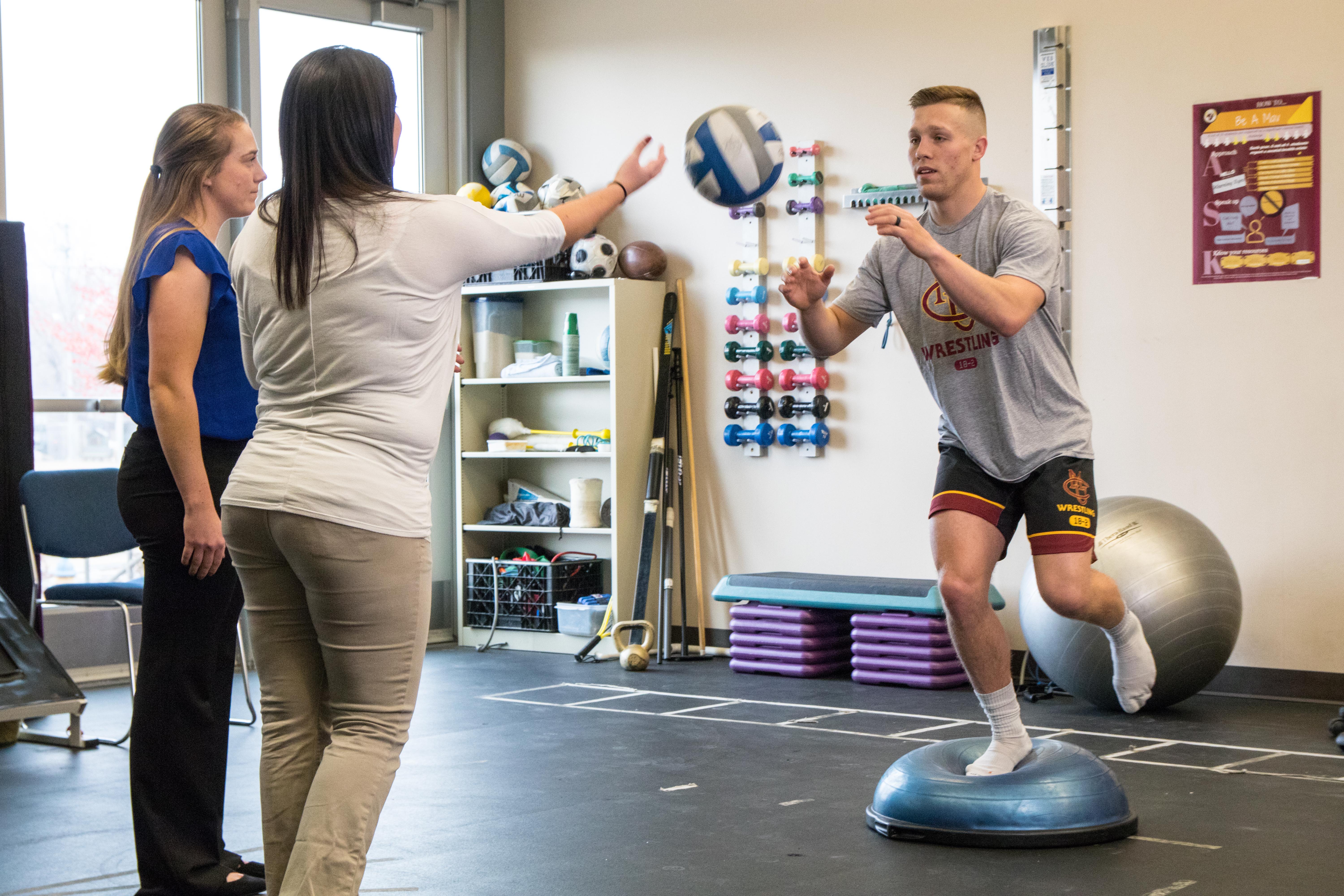
Rehabilitation with Preceptor Kaylee Romo
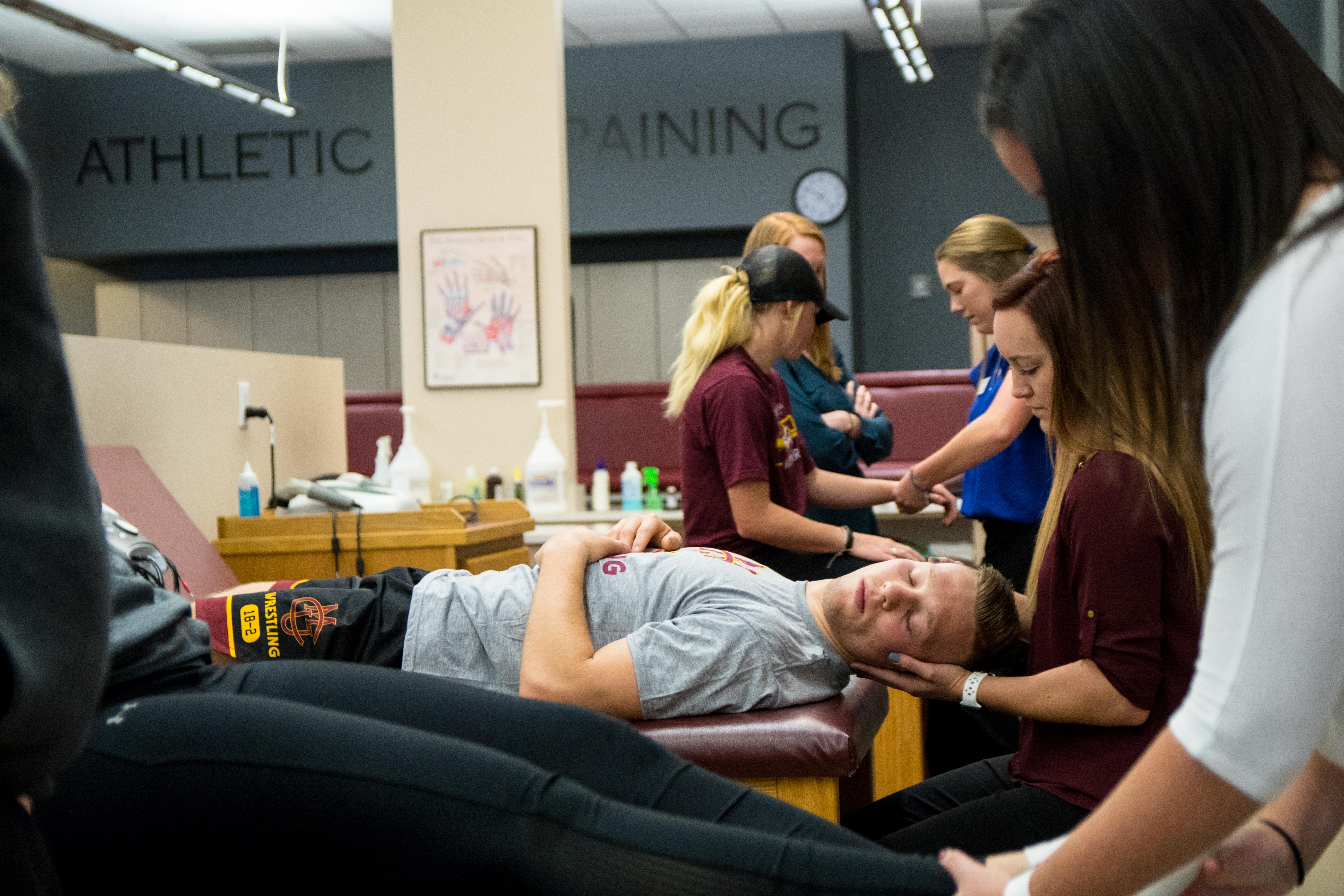
Hands-on Clinical Education
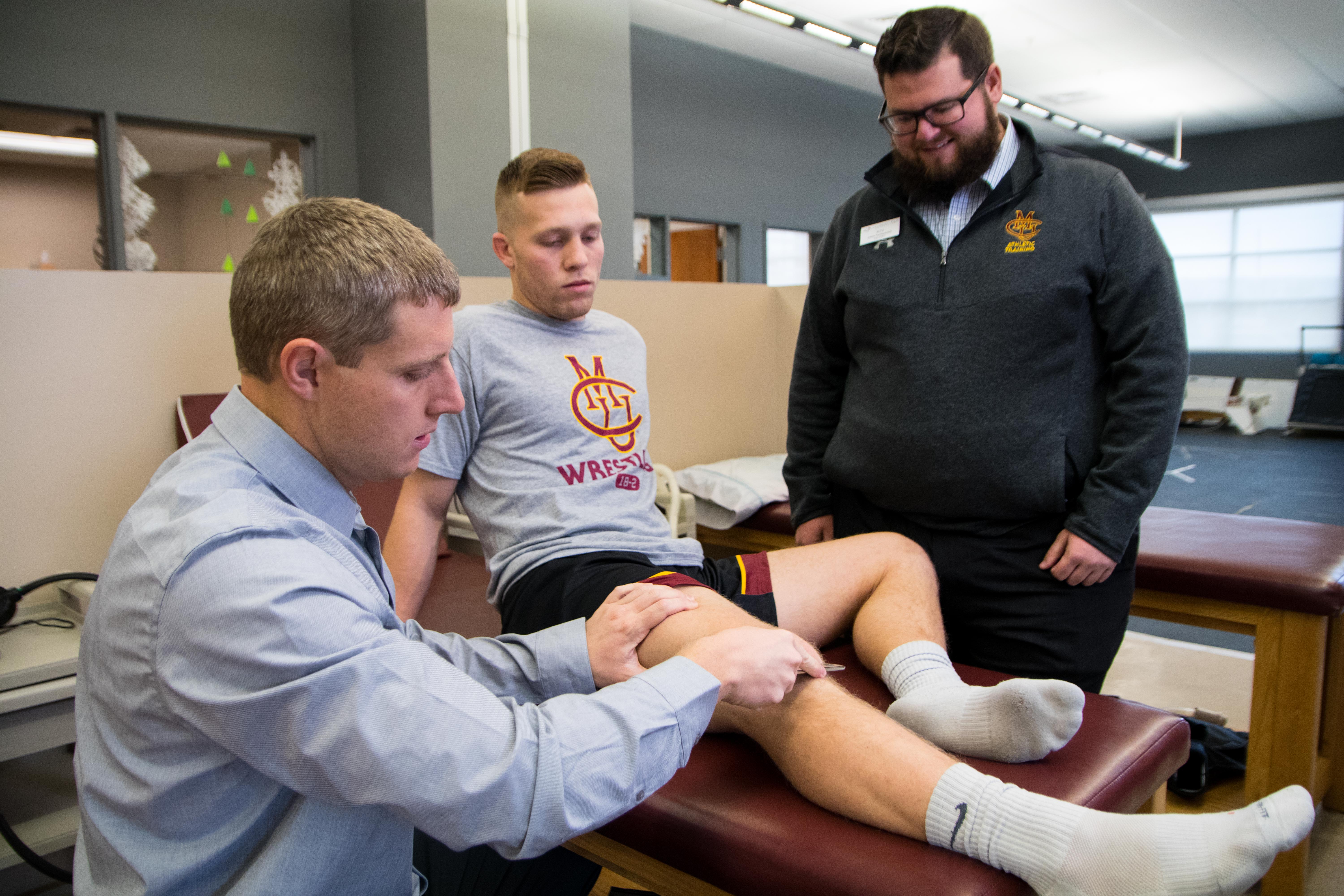
IASTM with Preceptor Stephen Mundee
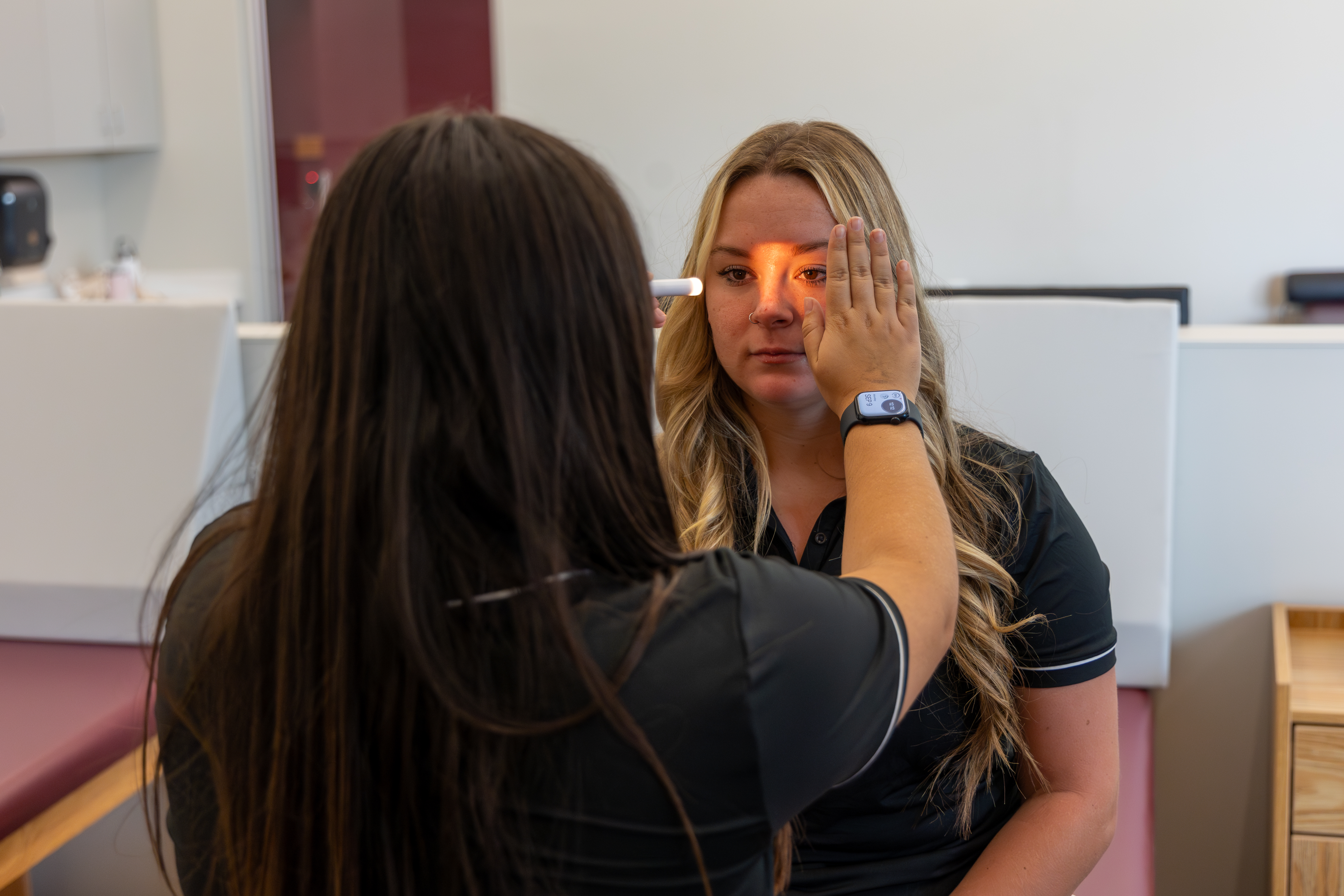
Concussion Evaluation