
Chronic diseases like type 2 diabetes, heart disease, hypertension and obesity account for a significant share of preventable illnesses in the United States, with diet identified as one of the most influential risk factors. As healthcare professionals and insurers focus on prevention, nutrition education has emerged as a practical tool to improve long-term health outcomes.
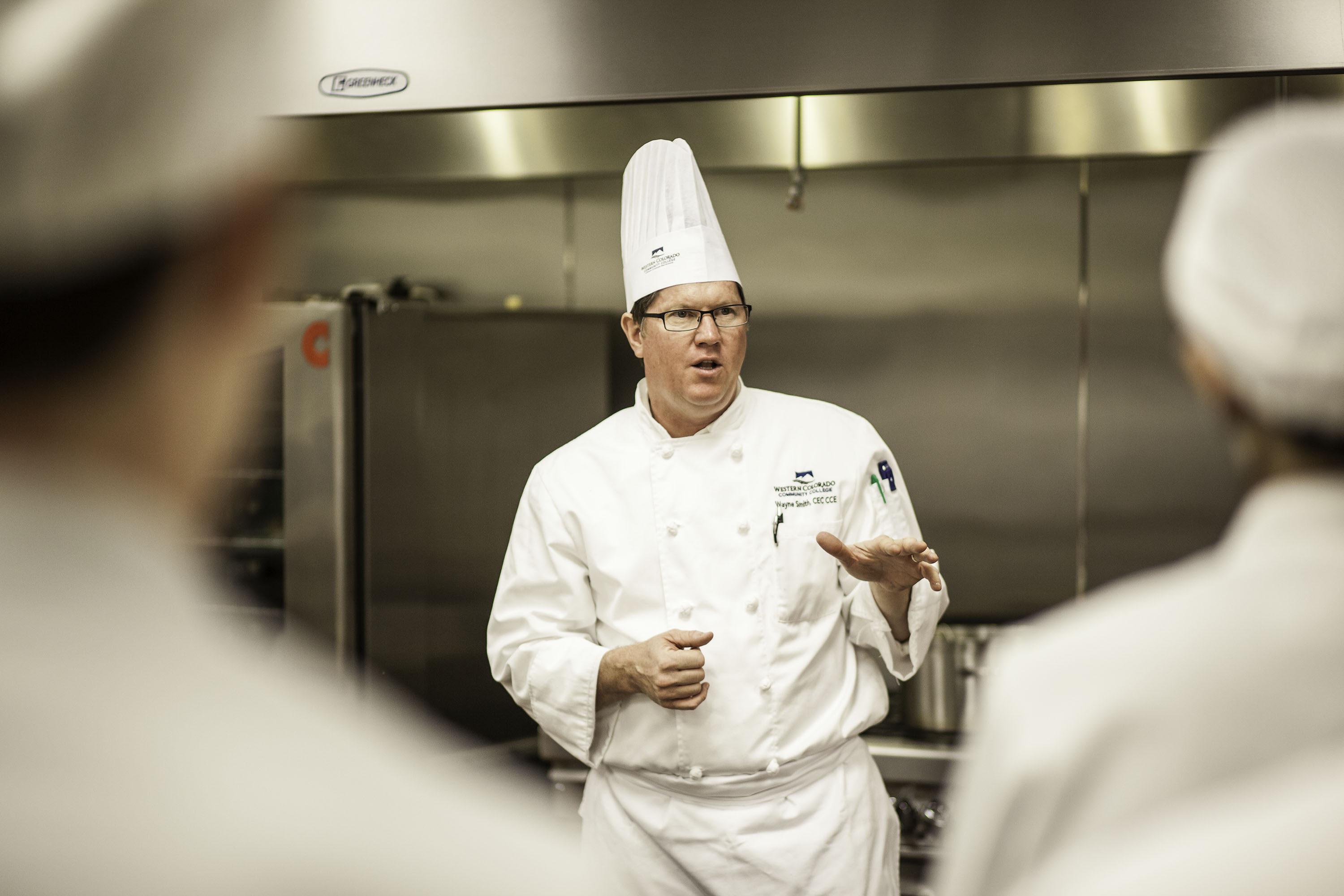
At Colorado Mesa University, the focus on prevention has already taken shape with the Healthy Cooking Initiative, where Wayne Smith, associate technical professor of culinary arts, works alongside Physician Assistant (PA) students to help community members build healthier habits through cooking.
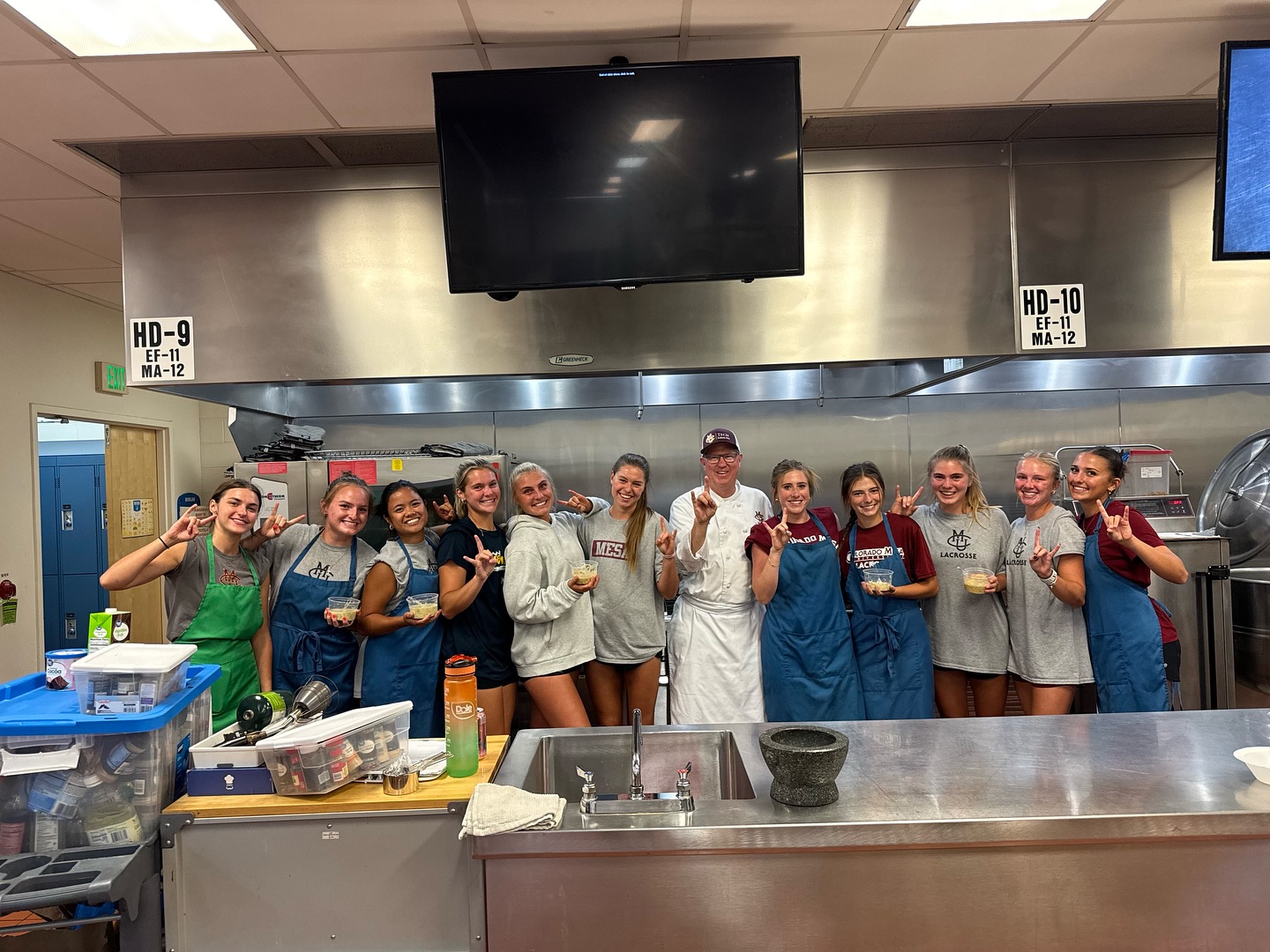
For the past six years, Smith has partnered with the PA program to offer free healthy cooking classes designed to reduce community members’ risk of chronic disease and increase their confidence in the kitchen. The classes combine hands-on instruction with basic nutrition education. Smith views the program as a responsibility that comes with his decades of experience in culinary education.
“When you have the ability to do something about a situation, you need to take action,” he said. “Other than teaching my students, this is the most important thing I do now.”
The collaboration began with the launch of the PA program in 2019. Smith was invited to speak to the first cohort of students to discuss the relationship between diet and chronic illness and demonstrate simple techniques for preparing healthier meals. That initial session has since become an annual lecture, and later this month he’ll present the material to a new group of 28 incoming PA students.
After the lecture, interested PA students can choose the Healthy Cooking Initiative as their capstone project. In collaboration with Smith, capstone students then plan and deliver one class per month during the semester, selecting topics and recipes and tracking changes in participants’ nutrition knowledge and behaviors.
Smith reviews recipes and provides guidance on how to make adjustments that align with nutrition goals, particularly by limiting sodium, sugar and saturated fat while increasing whole grains, fruits and vegetables.
“The big issues we have are that we tend to eat too much saturated fat, too much salt, too much sugar, and not enough fruits, vegetables and whole grains,” said Smith. “We just try to flip that.”
Recipes center on familiar foods prepared in healthier ways, such as bean and rice tacos with homemade salsa or guacamole. Smith said the focus on simplicity helps participants see healthy cooking as realistic and sustainable.
“The message is that cooking doesn’t have to be complicated and it doesn’t have to be a chore,” Smith said. “Good flavor just comes through good ingredients.”
Community Hospital partners with the program by referring participants and tracking attendance. Programs like these are drawing growing interest from health insurance providers, which increasingly view nutrition-based education as a way to reduce long-term healthcare costs associated with chronic illness.
Beyond the community impact, Smith said the partnership addresses a broader gap in medical education. Many medical professionals receive little to no formal training in nutrition, leaving them less prepared to discuss diet-related health concerns with patients.
“Most medical professionals get zero education on food and health,” said Smith. “Some physicians, PAs and nurses don’t feel comfortable talking to people about this because they don’t know much about it.”
By introducing PA students to the role of diet in disease prevention early in their training, Smith hopes they feel better equipped to have those conversations in their future careers.
“Even giving them a little bit of information arms them with something to start with,” he said.
Smith said he’s seen student enthusiasm for the project grow over the years, though much of the program’s impact is most visible among community participants. Many attend the classes as families, cooking alongside spouses, siblings and children. The strongest indicator of success, Smith said, comes when participants return for future classes or share that they prepared the recipes again at home.
“When they say, ‘I made that at home and it was so great,’ those are the things that make me think this is working,” he said.
Smith hopes participants leave with the understanding that meaningful health changes don’t require dramatic lifestyle overhauls.
“You don’t have to change everything in your life,” he said. “Even doing one small thing makes a difference.”
Through shared meals in a teaching kitchen, Smith and the PA students he mentors are helping community members develop healthier habits that extend well beyond a single class.