
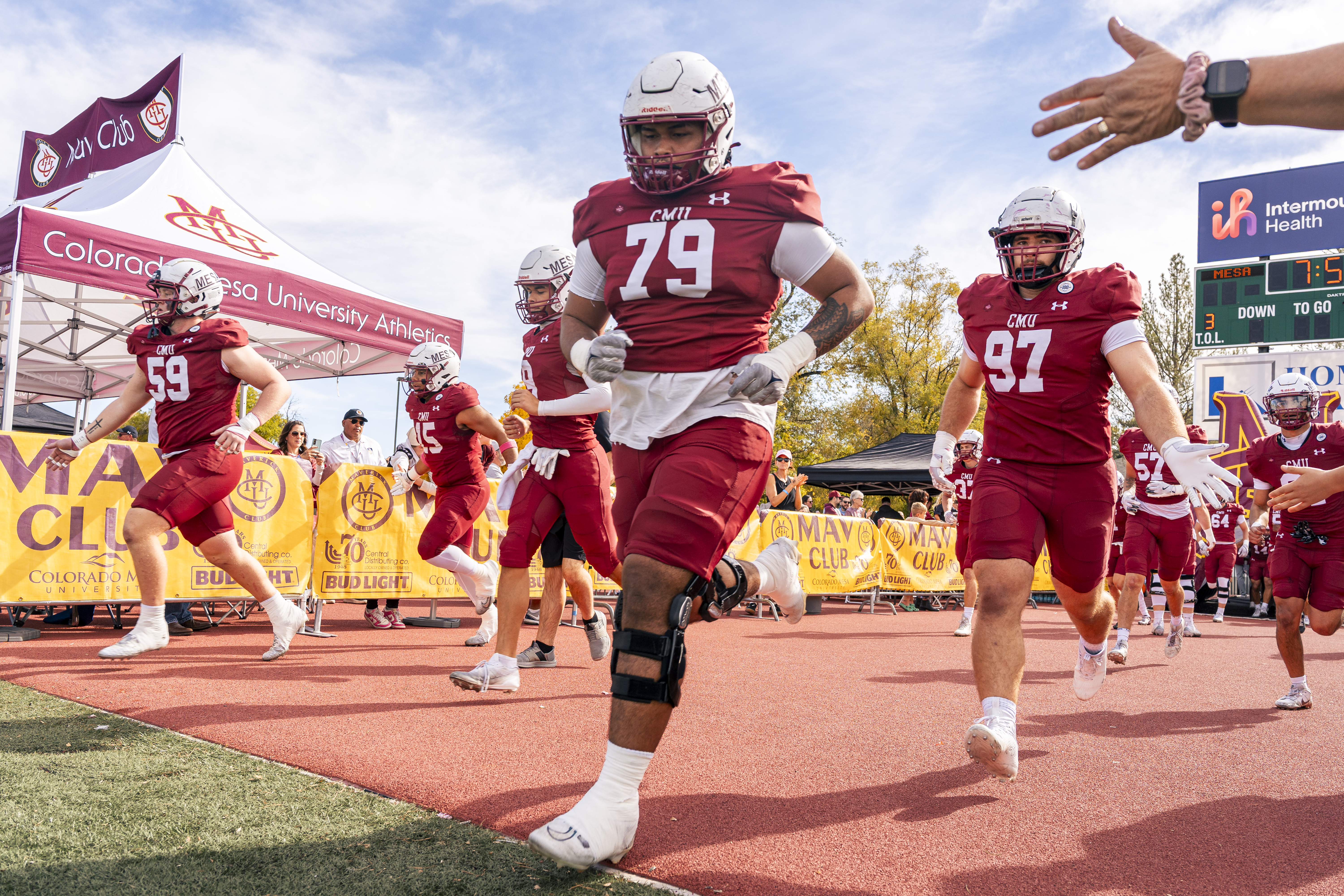
Conversations about athletics often center on performance and competition, but at CMU’s third Faculty Colloquium of the spring 2026 series, the focus shifted to experience. Stephen Merino, PhD, associate professor of sociology, explored how student-athletes navigate campus life on and off the field, highlighting research on race, belonging and the broader campus climate.
As part of the presentation, Merino discussed the concept of racial climate, which refers to the overall perceptions, attitudes and behaviors surrounding racial and ethnic diversity on campus. Climate surveys, he explained, are one of the primary ways to assess this environment by capturing how students experience their educational setting and interactions with others.
The project originated in Fall 2023 from a student-led class assignment exploring race and sports and expanded into a campus-wide survey of student-athletes in Fall 2024. With a 47% response rate, the data provided a broad look at student-athlete perspectives across varsity and club sports, offering insight into experiences at a Division II institution — an area that has received relatively limited attention in existing research.
“For me, this research is vital for understanding the experiences of student-athletes of color at a predominantly white institution like ours,” Merino said. “Our student-athletes are amazing. They are also a significant source of racial and ethnic diversity on campus and in our community.”
Merino noted that CMU student-athletes contribute significantly to campus diversity, with many coming from outside the Grand Valley, including out-of-state and international students.
A key theme throughout the presentation was representation. Many student-athletes indicated a desire for more diversity among coaches, faculty and athletic staff. While many student-athletes reported positive experiences overall, some — particularly those from underrepresented and international backgrounds — highlighted how the campus can continue to improve its support for their population of the student body.
Student-athletes have suggested several areas to strengthen support, including expanding mentorship opportunities, increasing access to mental health resources and improving integration between student-athletes and the broader campus community. Many respondents also emphasized the value of diversity within teams, noting that interacting with peers from different backgrounds was an important and positive part of their experience.
At the same time, most student-athletes reported that they believe CMU values racial and ethnic diversity, though Merino noted some variation in responses, as well as a level of uncertainty among students about how to report experiences of discrimination or bias.
Although research on Division II student-athletes remains limited, Merino highlighted that this study helps contribute to broader conversations.
“I was pleased to present some of this data at the third Faculty Colloquium so that more people on campus are talking and thinking about these issues.”
The research adds to a growing body of work on collegiate athletics, offering insight not just into competition, but into the day-to-day experiences that shape student-athlete life at CMU.