
Colorado Mesa University’s Practical Nursing program has been ranked No. 1 in the nation for the second time in recent years, placing first out of 1,221 practical nursing programs across the country and first out of 12 programs in Colorado.
The recognition comes from the latest NCLEX-PN Program Report released by the National Council of State Boards of Nursing via Mountain Measurement. The ranking is based on graduate pass rates for the National Council Licensure Examination for Practical Nurses, the exam that students must pass to become licensed practical nurses.
“The ranking is truly amazing. What I see every day is faculty who refuse to let a single student fall short of their potential,” said Erin Donovan, director of nursing education programs and associate professor of nursing at CMU. “They meet them where they are and provide them with every opportunity to achieve their dreams. The ranking shows the dedication and commitment this team has built, and I am incredibly proud of our team.”
CMU offers the Practical Nursing Technical Certificate at its Grand Junction and Montrose campuses. The one-year program is designed for students who want to begin working in direct patient care and can also serve as an entry point into CMU’s nursing career ladder, including the university’s Bachelor of Science in Nursing (BSN) program.
“It’s an honor for CMU and our communities,” said Dana Banta Corona, practical nursing program coordinator and instructor of nursing at CMU. “It is a testament to the dedication and academic achievement of our students.”
Licensed practical nurses (LPNs) provide direct patient care in hospitals, long-term care facilities, ambulatory care clinics, home health, rural clinics and critical access hospitals.
For students across the Western Slope, access to practical nursing education close to home can make the difference between pursuing nursing and putting that goal on hold. Without local programs, students may have to travel hours for similar training while balancing work, family and other responsibilities.
“Access to the practical nursing program right at their doorstep means they are not leaving their home to chase their dreams elsewhere,” Donovan said. “They are parents, neighbors and people who have already invested in their communities. Our job is to give them a world-class education close to home and watch them transform the care available to people they have known their entire lives.”
Local access also matters to health care employers across the region. Rural communities often face challenges recruiting and retaining nurses, and educating students locally can help build a workforce that already understands the communities it serves.
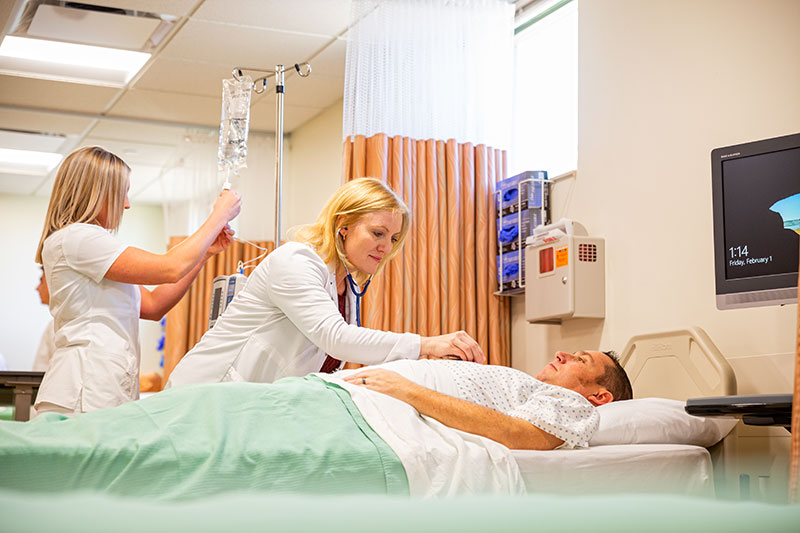
Students complete at least 400 direct patient care clinical hours and at least 300 classroom hours as part of the Practical Nursing program. Through classroom learning and clinical experience, they practice essential skills, build clinical judgment and learn how to respond in patient care settings where safety and communication are critical.
“Our goal is to have fun and engage in learning without compromising rigor. The high quality of the program is there to enhance clinical judgment and critical thinking, which helps promote better patient outcomes,” Banta Corona said.
While the No. 1 ranking is based on exam pass rates, faculty say passing the NCLEX-PN is only one part of preparing students for the profession. Practical nursing also requires confidence, compassion and the ability to think clearly in difficult situations.
“Passing their national licensure exam is just the first step that shows you are safe to practice,” Donovan said. “I truly hope students graduate from the program with the confidence to trust themselves to make decisions in a difficult situation. I hope they leave with compassion and understand that behind every diagnosis is a person, a story and a family that tells the bigger picture. Compassion and character are what gets you trusted.”
The program’s combination of technical preparation and patient-centered care is part of what makes practical nursing an important entry point into the health care workforce. Graduates can begin working in direct patient care roles sooner, while also having the option to continue their education through CMU’s LPN to BSN program.
“The Practical Nursing program is a great starting point and helps meet the gaps in our health care system,” Banta Corona said. “Our hope is that through our passion, their flame is ignited to continue to be lifelong learners and strive for the best evidence-based solution to a problem. Faculty at CMU care deeply about them and love to watch them flourish.”
For Donovan, the national ranking is also a chance to recognize the role the program plays in the long-term health of the region.
“Our Practical Nursing program is one of the best-kept secrets,” Donovan said. “They are the beginning step in the investment in the health of the region. We are not just filling positions. We are building a direct and sustainable workforce that understands the rural population and often stays on the Western Slope.”
The No. 1 ranking gives CMU’s Practical Nursing program national recognition, but its impact is measured closer to home. Through classrooms, labs and clinical sites across the region, students are preparing for careers that can change their own lives while strengthening care in the communities they already call home.