Transformative Leadership
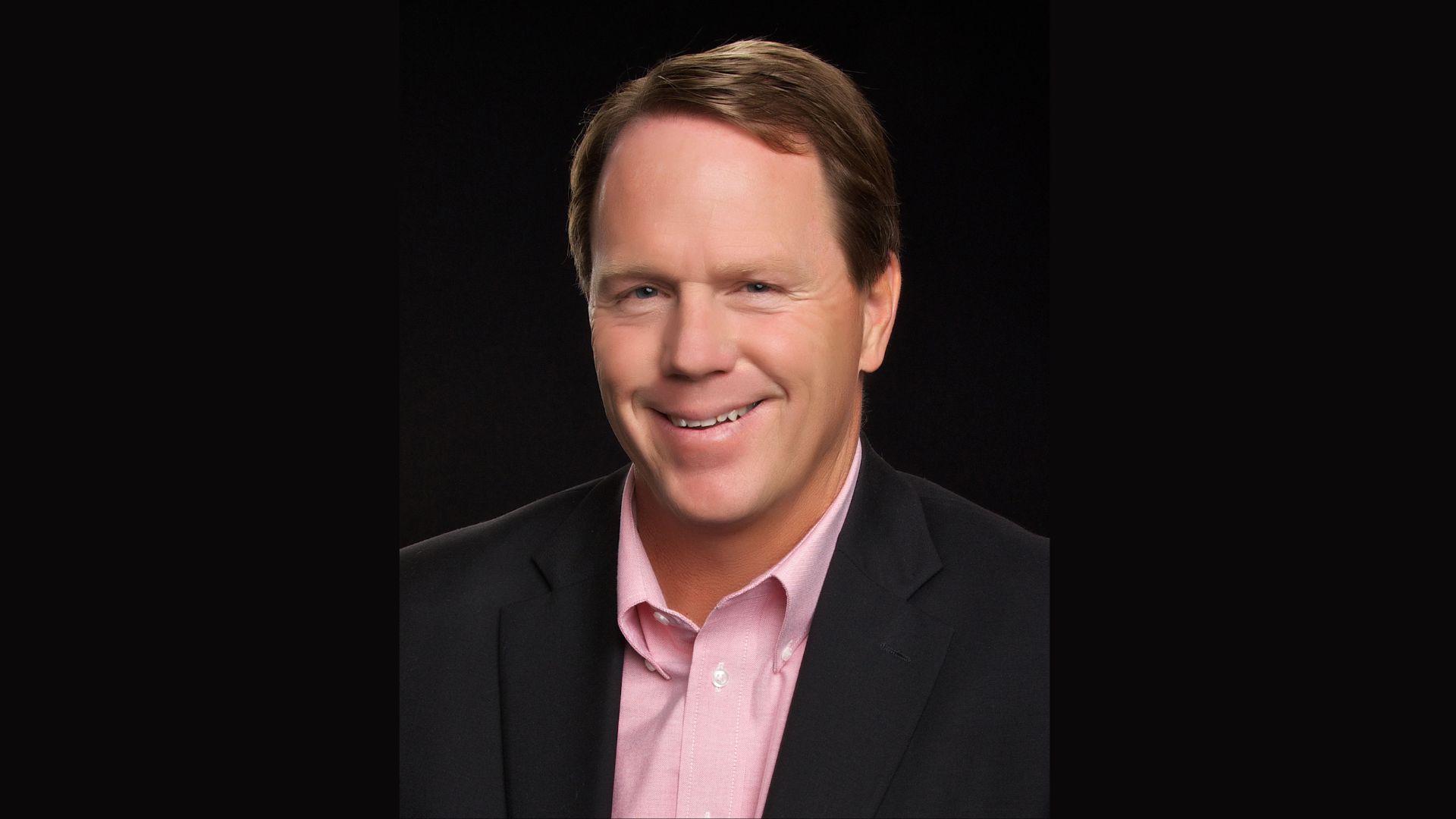
Tim Foster had the perfect resume to be a college president. A former state legislator and house majority leader, he understoodstate government and how to access funding. As executive director of the Colorado Department of Higher Education, Foster had deep familiarity with different models of higher education. He had seen what worked, and he knew what didn’t work. He also had business experience and understood the importance of financial stability.
When Mesa State College went looking for a president for a new era, Foster applied and got the job. While his hiring in 2004 was initially controversial, he went on to have a remarkably successful 17 year tenure.
Foster describes himself as “an accidental president” who saw “tremendous opportunities to reignite” the newly independent Mesa State College. Foster was a local of Grand Junction and had grown up near the college campus. He understood the importance of a thriving college in the heart of the city.
Foster’s first order of business was backfilling a gaping budget deficit. Some changes were big, like streamlining the administrative structure of the college. Others were smaller, like contracting for health insurance with a local provider. One change — utilizing ground-source heat exchange to heat and cool the entire campus — was especially innovative and saves CMU over one million dollars each year.
As the finances improved, Foster transitioned Mesa State from austerity to investment.
“We renovated or built new every square foot on this campus, except for the president’s office, which we never touched while I was here,” he said.
Faculty received overdue pay increases,and new faculty were hired.
Unlike his predecessors, Foster interviewed finalists for faculty positions. “I couldn’t discern a great historian from a poor historian,” he explained. But he could identify who would best fit in with the college culture, which includes a long history of serving first-generation college students.
Early in his tenure, Foster discovered that immigrant students in Colorado were paying out-of-state tuition, a considerable barrier to higher education. So, with the unanimous backing of the Mesa State trustees, “we led the charge in this community, and at the state legislature, to change the statute so that students who are here in Colorado, regardless of immigration status, will pay in-state tuition,” said Foster.
Among the challenges Foster faced was the COVID-19 pandemic.
“The whole experience was a nightmare,” he recalled. Recognizing the negative impacts of student isolation, CMU committed to in-person classes for fall semester 2021. Students were divided into groups based on their dorms and athletic teams, for example, and were required to socially isolate within these groups. It didn’t always work, and Foster recalls his frustration when some athletes mixed at a party early in the fall. But student acceptance of limited isolation, coupled with effluent testing — which identified COVID surges by dorm — allowed CMU to stay open when many other colleges and universities remained closed.
President Foster was an approachable, visible presence at CMU who built a rapport with students. He held weekly office hours and encouraged open communication. He recalled a lesson in “management by walking around” that he learned from his father.
“You can’t manage an entity sitting in an office, sending emails, signing documents and those sorts of things,” he said. “You’ve got to go out and see what’s going on and interact with people.”
Mesa State College transitioned from a college to a university during the Foster years. Campus facilities were improved and expanded. The Hotel Maverick opened during the pandemic and thrived. New sports teams were added, national championships were won and student numbers grew.
Opportunities were seized, and some slipped by. But for CMU and Grand Junction, the Foster years were hugely positive, with a synergy that honors CMU’s 100 year history.
“We are about students, we are about this community,” Foster explained. “For 100 years, CMU has fought for every inch we gain, and everybody joins together. This is the sort of unifying mission this community understands.”
Categories:
Written by Kristen Lummis